Why Javanese Spirituality Still Matters in the Modern World
May 10, 2026
What Modernity Cannot Give Us
Modern life provides extraordinary capabilities: global connection, instant information, material abundance, medical advances. What it struggles to provide is a sense of meaning embedded in time — the feeling that our lives are part of something larger, patterned, and significant.
Javanese spirituality has been attending to exactly this need for centuries.
The Living Tradition
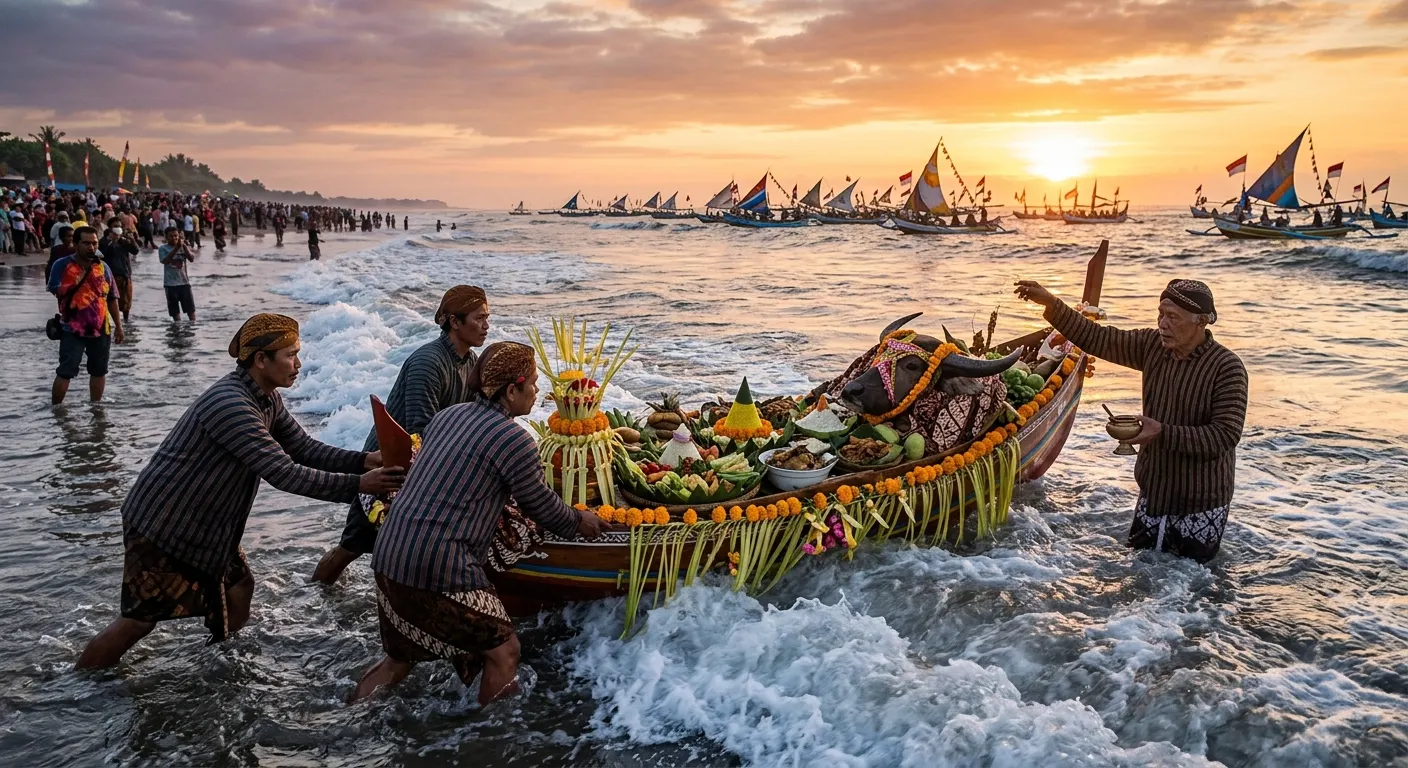
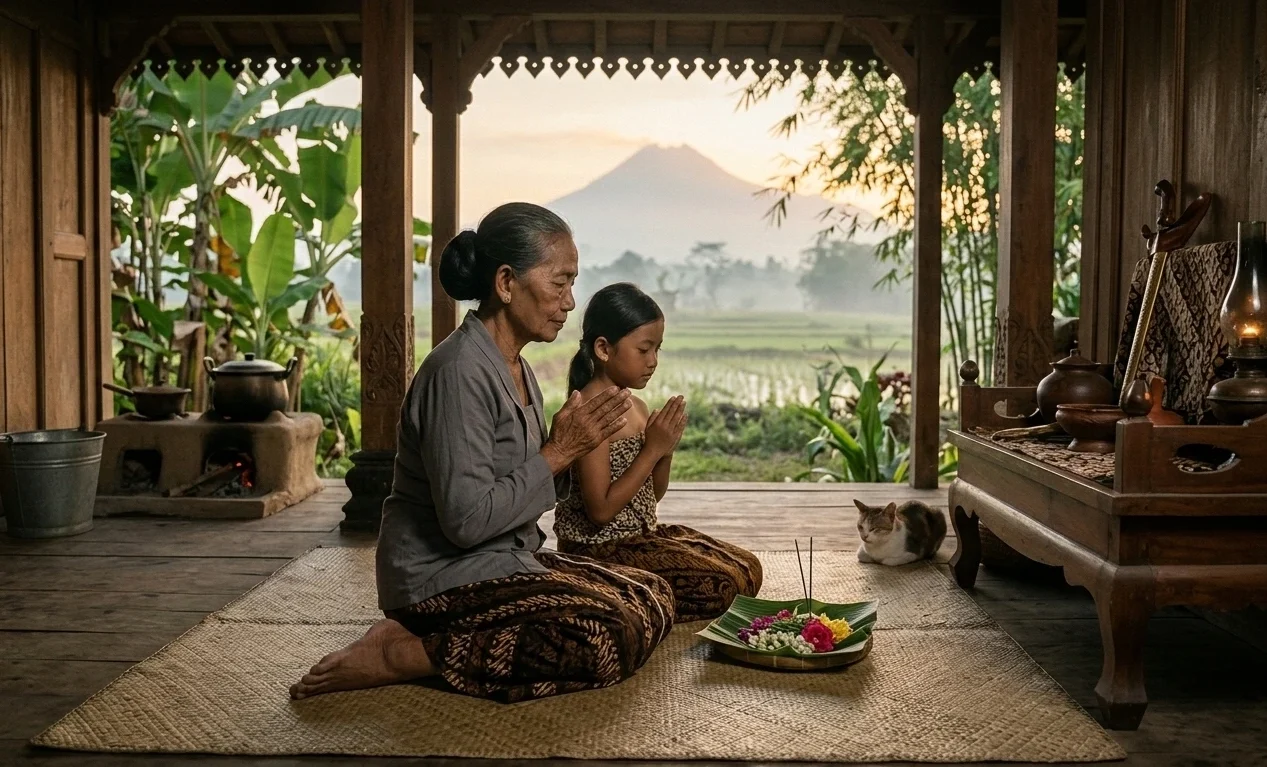
Javanese spiritual tradition — including Kejawen, weton, primbon, and the Javanese calendar — is not a museum piece. It is a living tradition, actively practiced, constantly interpreted, and genuinely meaningful to millions of people. What keeps it alive is not nostalgia. It is genuine utility.
When a Javanese person consults primbon before a wedding, they are not abandoning reason — they are reaching for a form of wisdom that their ancestors found reliable enough to preserve and pass forward across generations. That act of continuity is itself meaningful.
What Ancient Wisdom Offers
A Sense of Cosmic Belonging
Javanese spirituality places the individual within a vast network of relationships: with ancestors, with community, with the natural world, and with the larger cycles of time. This is a powerful antidote to the atomization and isolation that modern life can produce.
Pattern Recognition for Life Navigation
The primbon tradition is fundamentally about recognizing patterns — in personality, in timing, in relationships. This is an extraordinarily practical skill. In a world of information overload, having a trusted framework for noticing what matters is invaluable.
Ethics Embedded in Practice
Javanese spiritual practice is not primarily doctrinal — it is practical. The ethics of tepa selira (empathy), nrimo (dignified acceptance), and memayu hayuning bawana (beautifying the world) are not commandments. They are daily invitations to live with greater care and integrity.
Engaging Respectfully
For those who come to Javanese spirituality from outside the tradition — or who have grown up Javanese but are approaching these teachings with fresh adult eyes — respectful engagement involves learning before critiquing, asking before assuming, and honoring the people for whom this tradition is living, not merely academic.
Frequently Asked Questions
Can modern people genuinely practice Javanese spirituality?
Yes — especially those with Javanese heritage. The tradition has always adapted. What matters is sincere engagement and community connection, not perfect preservation of historical form.
Is Javanese spirituality compatible with monotheistic religions?
Many Javanese Muslims, Christians, and others integrate aspects of Javanese spiritual practice into their faith lives. This integration is personal and varies widely.
Where can I learn more about Javanese spirituality?
Books, academic works on Javanese culture, community connections, and resources like Kejawen Times provide accessible starting points. For deeper engagement, connection with Javanese elders and communities is irreplaceable.