The History of the Javanese Calendar: A Legacy of Sultan Agung of Mataram
July 16, 2026
The Javanese calendar still in use today, particularly for calculating weton and auspicious days, actually carries a long history closely tied to one of the great figures in Nusantara's past, Sultan Agung of the Mataram Sultanate.
The Dating System Before Sultan Agung's Era
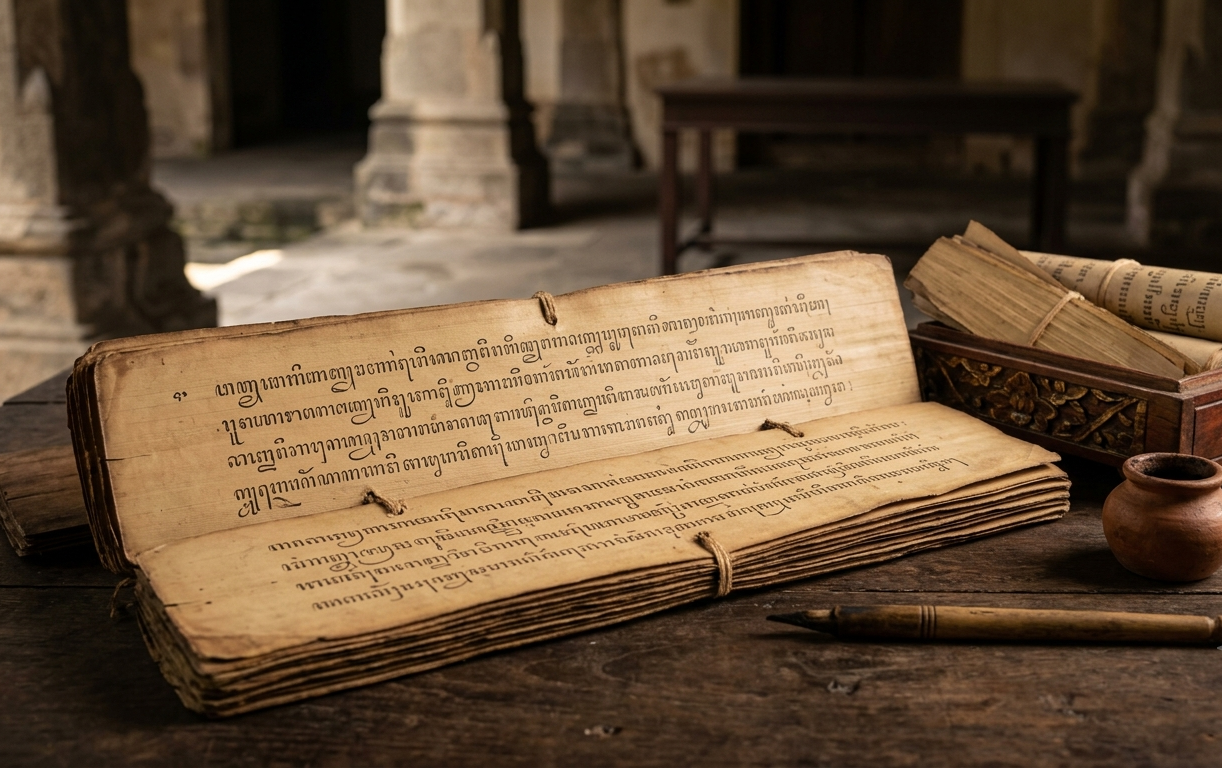
Before the Javanese calendar known today was established, Javanese society used a dating system following the Saka calendar, a legacy of Hindu influence that had long developed in the archipelago. This system calculated years based on the sun's cycle, unlike the Hijri calendar which follows the moon's cycle.
Sultan Agung's Role in Merging the Calendars
In the 17th century, Sultan Agung took the important step of merging the Saka calendar system with the Hijri calendar, creating a unique Javanese calendar that still counted years using the Saka system while following the monthly calculation of the Hijri calendar. This decision was made as part of an effort to unify Javanese society, which at the time held differing religious backgrounds, while also strengthening the cultural identity of Mataram.
The Structure of the Resulting Javanese Calendar
The result of this merger was a Javanese calendar with 12 months, beginning with the month of Suro, structurally similar to the Hijri calendar yet still retaining the year count from the Saka system. In addition, the Javanese calendar also preserved the five day pasaran system that had existed before, creating a complex dating system rich in cultural meaning.
The Legacy of the Javanese Calendar Today
The Javanese calendar resulting from Sultan Agung's policy is still used today, particularly in cultural and traditional contexts, such as calculating weton, determining auspicious days, and various customary ceremonies. Its continued existence stands as clear evidence of how a leader's policy in the past can leave a cultural impact that lasts for centuries.
Frequently Asked Questions
Who created the Javanese calendar?
The Javanese calendar known today was created under the policy of Sultan Agung of the Mataram Sultanate in the 17th century.
Why did Sultan Agung merge the Saka and Hijri calendars?
The goal was to unify Javanese society, which held differing religious backgrounds at the time, while also strengthening the cultural identity of Mataram through one shared dating system.
What is the difference between the Saka calendar and the Javanese calendar?
The Saka calendar calculates years based on the sun's cycle following Hindu tradition, while the Javanese calendar still uses the Saka year count but follows a monthly calculation similar to the Hijri calendar.
Is the Javanese calendar exactly the same as the Hijri calendar?
Not entirely. The Javanese calendar follows a monthly structure similar to the Hijri calendar, but still retains the year count from the Saka system and adds the five day pasaran system.
What is the pasaran system in the Javanese calendar?
Pasaran is a five day cycle consisting of Legi, Pahing, Pon, Wage, and Kliwon, which existed before Sultan Agung's calendar merger and has been preserved to this day.
Why is the first month of the Javanese calendar called Suro?
Suro was used as the name for the first month following a naming pattern adapted from the Hijri calendar, while also serving as the marker of the new year in the Javanese calendar.
Is the Javanese calendar still used officially today?
The Javanese calendar is not used as the country's official calendar, but it remains widely used in cultural contexts, traditions, and weton calculations among Javanese communities.
Is the Javanese calendar only used in Yogyakarta and Solo?
Its use is strongest in the cultural regions of Central Java and Yogyakarta, though its influence is also felt in other areas with Javanese cultural roots.
What is the benefit of studying the history of the Javanese calendar?
Studying its history helps us understand how Javanese culture was shaped through a long process of blending various influences, including political and religious policies of the past.
Is the Javanese calendar related to weton?
Very much so, since the pasaran system within the Javanese calendar is the main foundation for calculating a person's weton.
Is there a printed version of the Javanese calendar still produced today?
Yes, printed Javanese calendars are still produced and sold publicly, usually containing information on days, pasaran, wuku, and auspicious days for various purposes.
Is the Javanese calendar used outside the context of Kejawen culture?
Yes, the Javanese calendar is also used in certain religious contexts and various general Javanese community traditions, not limited solely to Kejawen practice.
How can someone find out today's date in the Javanese calendar?
The easiest way is to use an online Javanese calendar app or website, which can automatically display the Javanese date, pasaran, and wuku based on the regular calendar date.
Was Sultan Agung's policy easily accepted at the time?
Historical records show this policy was implemented as part of the kingdom's political and cultural strategy, though the detailed reception among society at the time was not extensively documented.
Has the Javanese calendar continued to change since Sultan Agung's era?
Its basic structure has remained largely the same, though how it is used in society continues to adapt alongside the changing times.