Sadranan Tradition: Ancestral Grave Pilgrimage in Java
September 8, 2026
In the weeks before the fasting month begins, many villages across Java take on a distinctly solemn yet warm atmosphere. Residents gather at ancestral cemeteries carrying cleaning tools, scattered flowers, and jugs of water. This is the sadranan tradition, an annual ritual that blends deep respect for ancestors with spiritual preparation for the holy month of Ramadan.
In many regions, this practice is also known as Nyadran. Although the name varies from place to place, its essence remains the same: visiting, cleaning, and praying at the graves of ancestors as an act of devotion and gratitude. This article explores the origins, philosophical meaning, practices, regional variations, and continuing relevance of the sadranan tradition in contemporary Javanese life.
What Is the Sadranan Tradition?
Sadranan is a communal Javanese tradition centered on visiting, cleaning, and praying at ancestors' graves. It is typically held during the month of Ruwah in the Javanese calendar, roughly two to three weeks before the start of Ramadan. Because of its timing, sadranan is often seen as a "spiritual gateway" connecting everyday life to the sacred fasting month ahead.
The word "sadranan" is widely believed to derive from the Sanskrit term "sraddha," meaning faith or belief. This etymology suggests the tradition's roots stretch back long before Islam arrived in Java, later adapting in form as the centuries passed. In regions such as Central and East Java, the same practice is commonly called Nyadran, and its scale can range from a small family visit to a full village-wide celebration involving hundreds of residents.
Origins and Cultural Blending Behind Sadranan
The sadranan tradition stands as a clear example of Javanese religious syncretism, a harmonious blend of pre-Islamic ancestor veneration and Islamic prayer practice. Long before Islam took root in Java, local communities already honored the spirits of their ancestors, believed to retain a lasting bond with the world they had left behind. Ancestors were regarded as guardians of the family and the village, making it essential to maintain a respectful relationship with them.
When Islam spread through Java, local religious teachers did not erase this existing tradition. Instead, they wove Islamic elements into it, adding tahlil recitations, prayers for the deceased, and verses from the Qur'an into the ceremony. This gradual, accommodating approach is precisely what allowed sadranan to endure without friction between local custom and religious teaching. The tradition stands as proof that Javanese culture can absorb new values while keeping its own roots firmly intact.
How the Sadranan Tradition Is Practiced
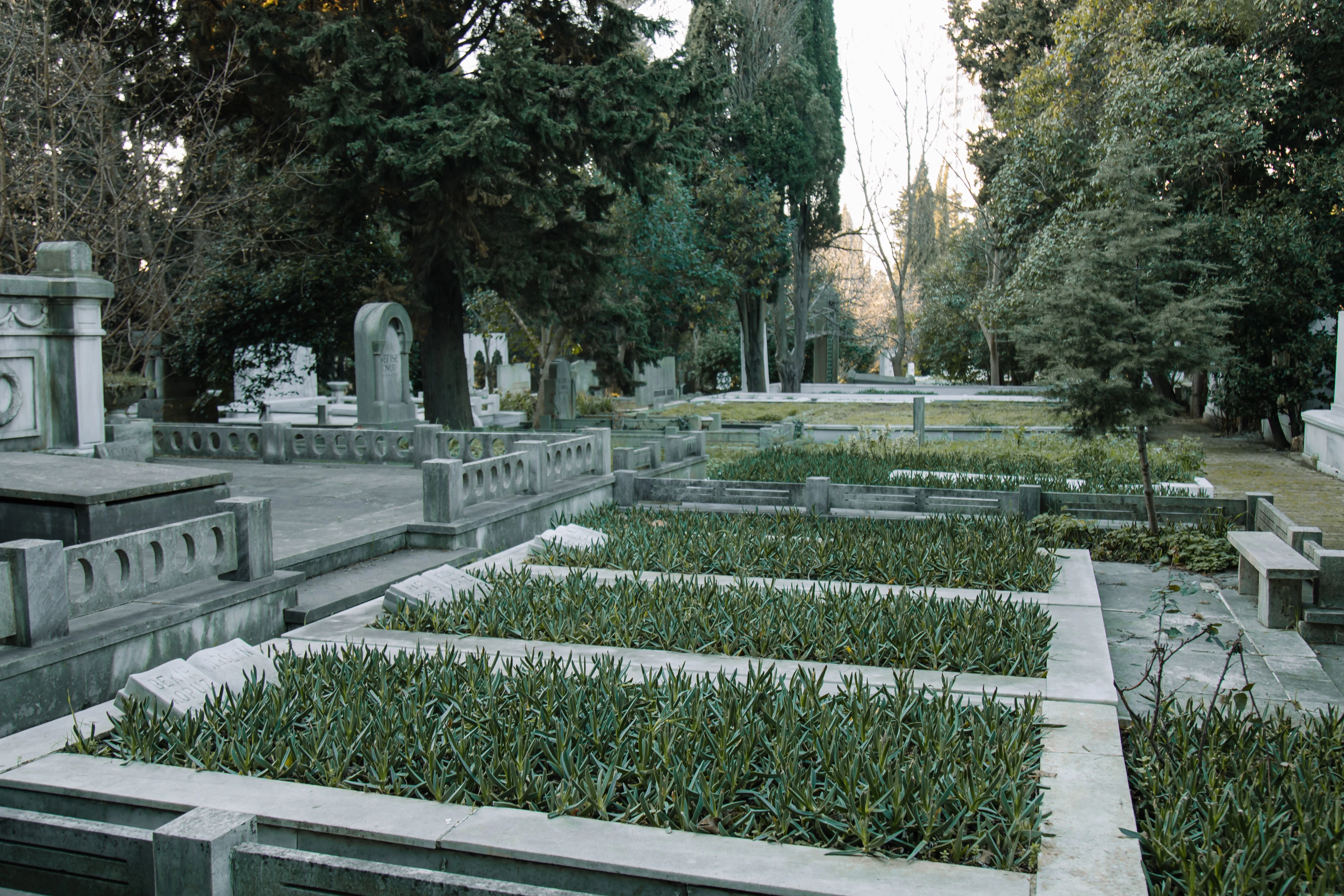
The sadranan ceremony usually begins with communal labor, as villagers work together to clean the public cemetery or family gravesites. Weeds are pulled, headstones are wiped clean, and the paths leading to the graves are tidied up. This act of mutual cooperation, known locally as gotong royong, is itself an important expression of Javanese communal values.
Once the graves are clean, residents typically scatter a mixture of seven kinds of flowers (kembang setaman) and pour water over the grave mounds as a symbol of coolness and blessing. This is followed by a collective recitation of tahlil, prayers for the departed, and verses from Surah Yasin, often led by a religious figure or village elder. This moment forms the spiritual core of the entire tradition, as villagers pray for the peace of their ancestors' souls while also asking for blessings upon the living family members who remain.
The ceremony is usually concluded with a slametan, a communal meal shared among villagers at the cemetery grounds, the village hall, or a resident's home. Each family typically brings a dish of food, which is then pooled together and redistributed among all who attend. Far from being a simple meal, the slametan symbolizes unity and gratitude for everything the community has been given.
The Philosophical and Social Meaning Behind Sadranan
Beneath its simple appearance, sadranan carries profound philosophical meaning. First, the tradition expresses devotion and respect toward ancestors who raised and guided the generations that followed. By visiting and praying at their graves, Javanese communities believe the spiritual bond between the living and the departed remains intact.
Second, sadranan serves as spiritual preparation before entering the month of Ramadan. Cleaning the ancestors' graves symbolizes cleansing one's own heart and mind of past wrongdoing before undertaking the fast. Third, sadranan strengthens social bonds among neighbors. The shared labor and communal meal become an occasion to reconnect, reinforce village solidarity, and ease any lingering tension between residents. Fourth, the tradition also serves as an expression of gratitude for the harvest and the life lived over the preceding year.
Regional Variations of Nyadran Across Java
Although the core of the tradition remains consistent, the way Nyadran is celebrated differs from one region to another. In parts of Central Java, such as around Klaten and Boyolali, Nyadran is marked by processions carrying tumpeng (cone-shaped rice dishes) and harvest offerings toward the cemetery, accompanied by traditional performances such as gamelan music or kuda lumping dance. In the Gunungkidul area near Yogyakarta, Nyadran has grown into a larger cultural event, drawing visitors who come to witness the traditional procession and sample the village's local cuisine.
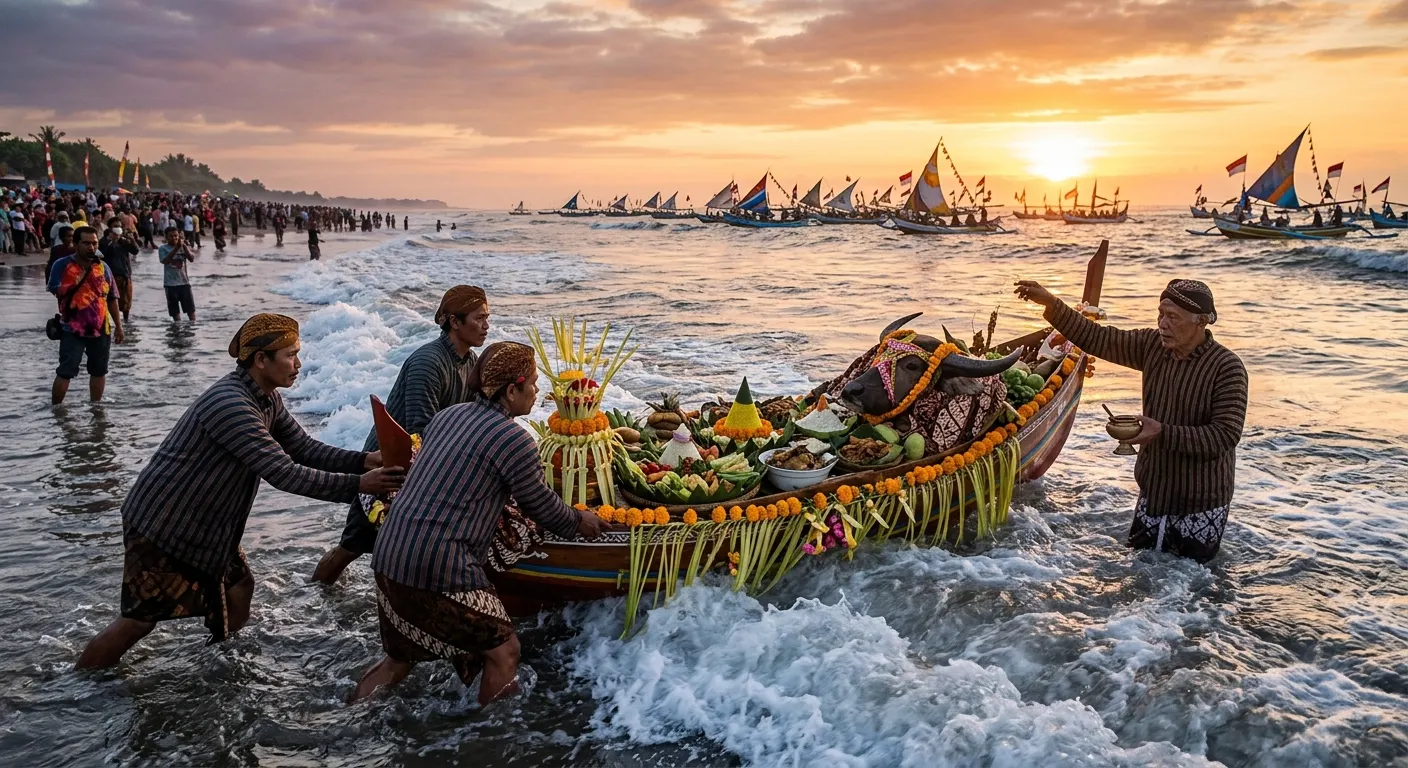
Along the northern coast of Java, sadranan is sometimes combined with the sedekah laut tradition among fishing communities, expressing gratitude for the sea's bounty while also honoring ancestors. These regional variations show just how adaptable Javanese tradition can be, shaping itself around local geography and livelihoods without losing its central purpose as a ritual of ancestral respect.
The Relevance of Sadranan in Modern Times
Despite the passage of time, the sadranan tradition remains very much alive, particularly in rural Java. Even amid growing urbanization, many migrant workers deliberately return to their home villages during the month of Ruwah specifically to take part in sadranan with their extended families. The occasion doubles as a family reunion and a reminder of cultural roots that should never be forgotten.
At the same time, a number of villages have begun positioning sadranan as part of their cultural tourism offerings. Local governments and communities see the tradition's potential to introduce the richness of Javanese culture to younger generations and visitors from outside the region. Through this approach, sadranan is no longer just a spiritual ritual, it has also become a tool for preserving cultural heritage with both educational and economic value.
FAQ
What is the difference between sadranan and nyadran?
Sadranan and nyadran essentially refer to the same tradition of visiting and cleaning ancestral graves. The difference lies only in regional naming, with some areas of Central and East Java more commonly using the term nyadran.
When is the sadranan tradition usually held?
Sadranan typically takes place during the month of Ruwah in the Javanese calendar, roughly two to three weeks before the start of Ramadan.
What is the main purpose of the sadranan tradition?
Its main purpose is to honor and pray for deceased ancestors while spiritually and socially preparing the community before entering the fasting month.
Is sadranan considered part of Islamic teaching?
Sadranan is the result of cultural blending between pre-Islamic beliefs and Islamic values. Elements such as prayer, tahlil, and the recitation of Surah Yasin represent the Islamic layer added to an older tradition of ancestor veneration.
What do people typically bring to a sadranan ceremony?
Participants usually bring cleaning tools, flowers for scattering, water, and food to share during the communal slametan meal after the pilgrimage.
Is sadranan only performed by certain families?
No. Sadranan is generally communal and involves the whole village, though many families also carry out private visits to the graves of their own relatives.
What is a slametan in the context of sadranan?
A slametan is the communal meal that closes the sadranan ceremony, symbolizing unity and gratitude among villagers.
Why is sadranan held just before Ramadan?
Because it is understood as a form of self-purification for the heart and mind before undertaking the fast, as well as a moment to pray that ancestors share in the blessings of the holy month.
Does the sadranan tradition differ from one region to another?
Yes. While the core practice is the same, local variations exist, such as processions carrying tumpeng, traditional performing arts, or a blending with the sedekah laut tradition in coastal areas.
Is sadranan still relevant today?
Very much so. Sadranan remains widely practiced across rural Java and has even developed into a cultural tourism attraction in some regions.
Is sadranan only for Muslim Javanese communities?
While Islamic elements are prominent in the prayers and tahlil, the underlying spirit of honoring ancestors is universal and is often observed across different family backgrounds within a village.
How can a newcomer take part in the sadranan tradition?
Newcomers can usually join the communal grave-cleaning effort or the shared slametan meal, since the tradition is fundamentally open and centered on the spirit of community togetherness.
The sadranan tradition reminds us that honoring one's ancestors and strengthening community bonds are essential foundations before entering a sacred month. Amid the pace of modern life, this simple ritual of cleaning graves and praying together remains a meaningful reminder of cultural roots worth preserving. Read also Suro Month in the Javanese Calendar: Traditions and Taboos, or Sedekah Bumi: A Javanese Expression of Gratitude for the Earth, or Ancestral Belief and Guardian Spirits Across Regional Traditions in Java to explore more Javanese ancestral traditions.