The Meaning of Suro Month in the Javanese Calendar and Why It Is Considered Sacred
July 1, 2026
Whenever Suro arrives, the atmosphere in many parts of Java feels different. Some people choose to stay quiet at home, others get busy preparing rituals, and some are simply curious why this month is treated with so much respect. For the Javanese people, Suro is not just the name of a month, it marks the new year in the Javanese calendar and carries a deep sense of reflection.
Suro and Its Connection to the Javanese New Year
Suro is the first month in the Javanese calendar system, which follows the Hijri calendar but still carries its own local character. The start of Suro usually coincides with the first day of Muharram, though Javanese society adds extra layers of meaning that are not always found in how Muharram is observed elsewhere. This tradition grew stronger during the era of Sultan Agung of the Mataram Sultanate, who merged the Javanese calendar with the Islamic calendar so that people could share a single system of time.
Why Suro Is Considered Sacred
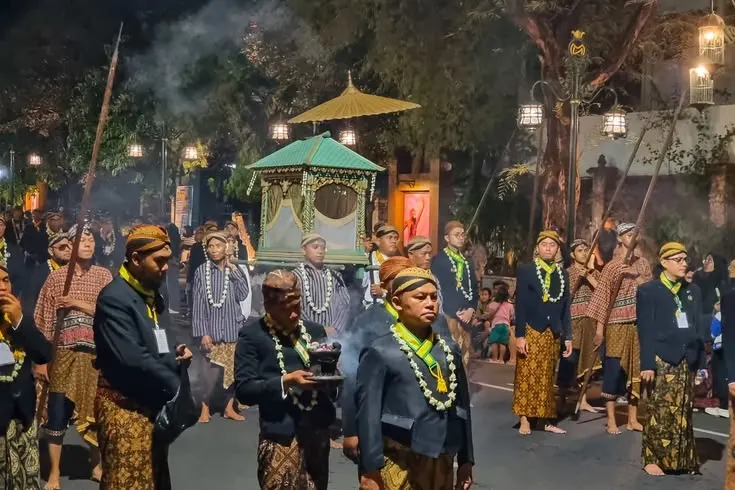
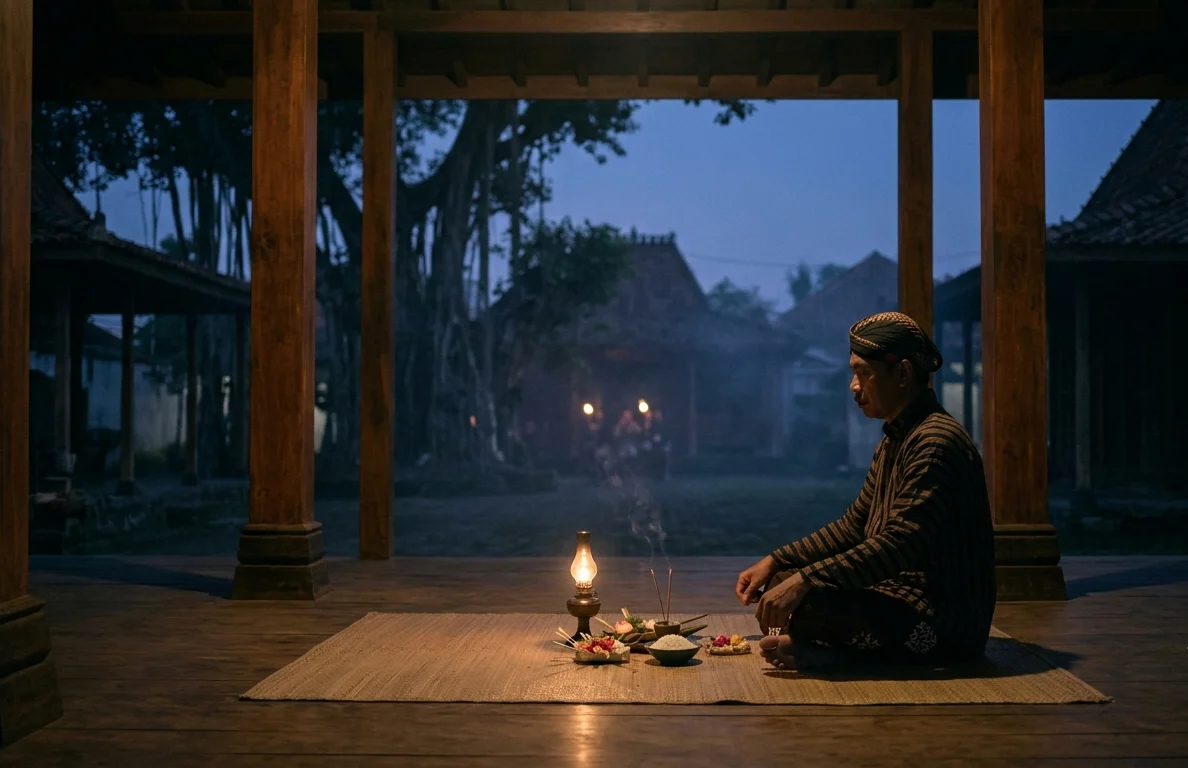
Many believe Suro is meant for introspection, so people are encouraged to stay quiet, pray more, and hold back from anything considered unnecessary. A number of sacred heirlooms are usually cleaned or paraded on the night before the first day of Suro as a way of honoring ancestral heritage. There is also a belief that this month brings a different atmosphere compared to others, which is why many people choose to be more careful when making major decisions during this period.
Traditions Still Practiced Today
Even though times have changed a lot, several Suro related traditions still survive, especially within palace communities and villages that hold strongly to custom. Inside the palace, the most notable tradition is the heirloom procession, along with silent walking rituals and visits to ancestral graves. Outside the palace, many families practice a simpler version, such as praying together, giving more to charity, cleaning the house as a symbol of a new beginning, and avoiding major events like weddings during this month.
How People Approach Suro Today
Regardless of the beliefs attached to it, many people now choose to interpret Suro in a more personal way, as a moment to pause from daily routine and evaluate the past year. This mirrors the original spirit behind most new year celebrations, just wrapped in a calmer and more reflective form that is distinctly Javanese.
Frequently Asked Questions
Is Suro the same as Muharram?
In terms of dating, the start of Suro does coincide with the first day of Muharram in the Hijri calendar. However, Javanese society adds cultural and traditional layers of meaning that are not always present elsewhere.
Why do Javanese people avoid getting married during Suro?
This belief developed from the idea that Suro is a month for introspection and restraint, not for celebrating major events. Even so, this is more of a long standing tradition rather than a binding religious rule.
Does the belief around Suro have a religious basis?
Part of the Suro tradition is rooted in local culture that developed both before and after Islam arrived in Java, making it more of a cultural tradition than a direct religious teaching.
How long does Suro last?
Like other months in both the Javanese and Hijri calendar systems, Suro lasts around 29 to 30 days, depending on the calculation method used.
What exactly happens on the first night of Suro?
The first night of Suro marks the turn of the Javanese new year and is usually observed with rituals such as the heirloom procession and silent walking, both within the palace and among the wider community.
Why do many people choose to stay silent on the first night of Suro?
Staying silent is seen as a form of respect and a means of introspection, matching the spirit of Suro which emphasizes reflection rather than celebration.
Do all Javanese people observe Suro in the same way?
No. The way Suro is observed can differ between regions and families, ranging from full traditional rituals to simply being more mindful of behavior throughout the month.
What is Sultan Agung's connection to the Javanese calendar?
Sultan Agung of the Mataram Sultanate is credited with merging the Javanese calendar with the Hijri calendar, giving Javanese society a single dating system still used today.
Is it considered unwise to travel far during Suro?
There is no strict prohibition, though some people prefer to avoid unnecessary long distance travel during this month, believing it carries a different kind of energy.
What happens if someone does not believe in the restrictions of Suro?
There are no binding legal or religious consequences. The restrictions around Suro are cultural traditions, so individuals are free to follow them or not.
Is Suro in Java different from Suro observed in Bali?
Yes, even though the name is similar, the context and meaning of Suro in Java differ from the dating system used in Bali, as each developed from distinct cultural traditions.
How do young people today interpret the month of Suro?
Many young people see Suro as a moment for self reflection, similar to an annual personal review, without necessarily following every traditional restriction in full.
Is there a special dish prepared during Suro?
In some regions, there is a tradition of serving a type of rice porridge called bubur suro, symbolizing gratitude and hope for the coming year.
Is Suro celebrated throughout all of Indonesia?
The observance of Suro is strongest in Javanese cultural regions such as Central Java, Yogyakarta, and East Java, though it is also felt within Javanese communities living elsewhere.
Why are heirlooms specifically cleaned during Suro?
Cleaning heirlooms during Suro is seen as a form of respect toward ancestors and a prayer that the heirlooms continue to bring benefit and safety to their owners.