Suro Month in the Javanese Calendar: Traditions and Taboos
August 18, 2026
For Javanese communities, Suro is far more than a marker of the new year in the Javanese calendar (Kalender Jawa). This first month of the year is widely believed to carry a heavy spiritual charge, which is why it is greeted with a very different mood than other months. Rather than being celebrated with parties or festivities, Suro is closely associated with laku prihatin, quiet self-reflection, and extra care in both speech and action.
This article focuses specifically on the two questions readers ask most about Suro: what traditions are commonly practiced, and what taboos are traditionally avoided. For readers who want a deeper look at the meaning and reasons behind the month's sacred status, a fuller explanation can be found in Meaning of Suro Month in the Javanese Calendar and Why It Is Considered Sacred.
What Is Suro Month and Why It's Considered Sacred
Suro is the first month of the Javanese calendar, roughly corresponding to the Islamic month of Muharram. The calendar system itself has a long history tied closely to the policies of Sultan Agung of the Mataram Sultanate, who merged elements of the Javanese, Hindu-Saka, and Islamic calendars into a single system still used today.
Because of its position as the opening month of the year, Suro is regarded by many Javanese communities as keramat, or sacred, and heavily charged with spiritual meaning. Many believe that during this month unseen realms are more accessible, calling for extra vigilance, humility, and inner sincerity in daily life. This belief is the root from which the various traditions and taboos discussed below have grown.
Tirakatan and Kirab Pusaka: Welcoming Suro With Quiet Reflection
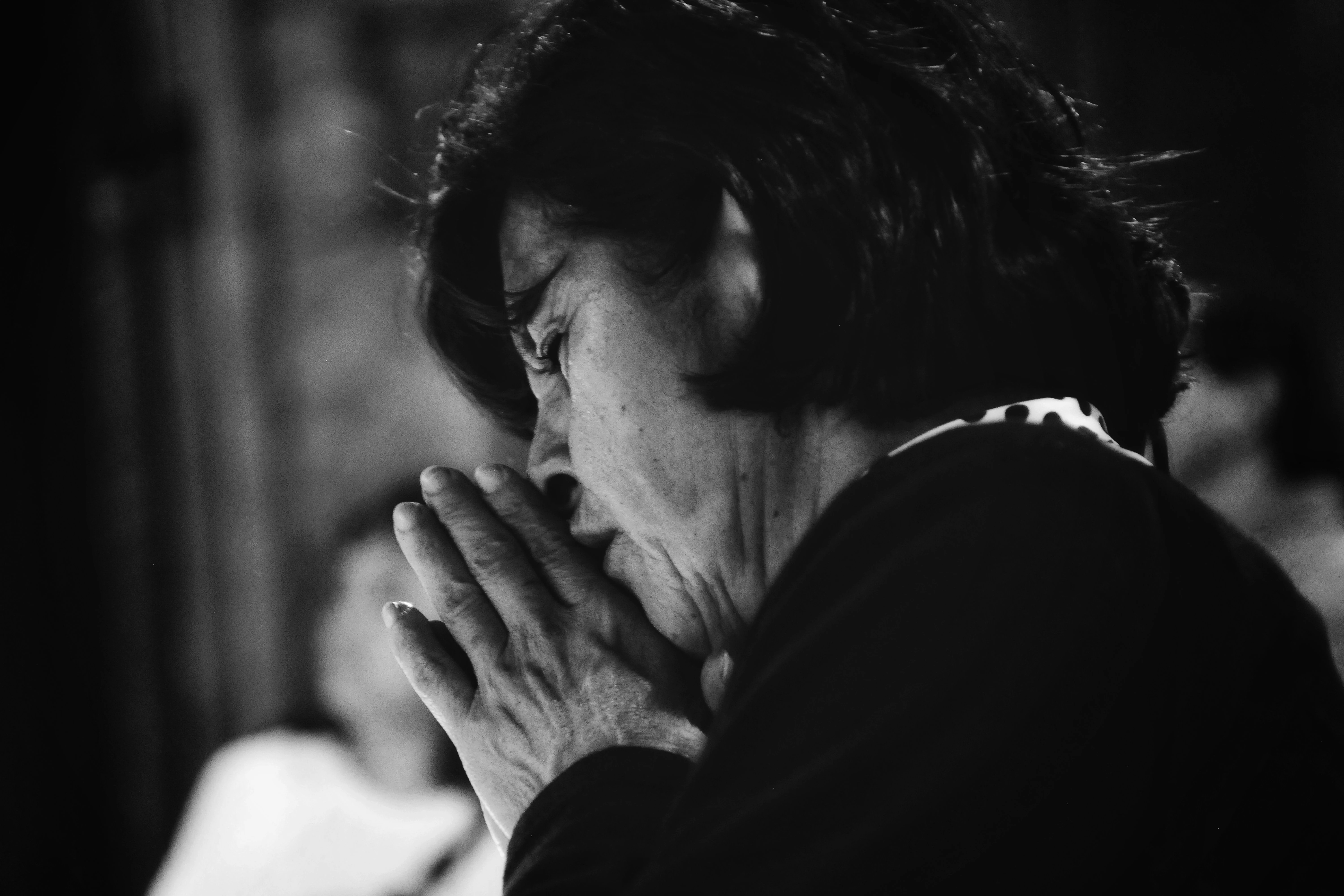
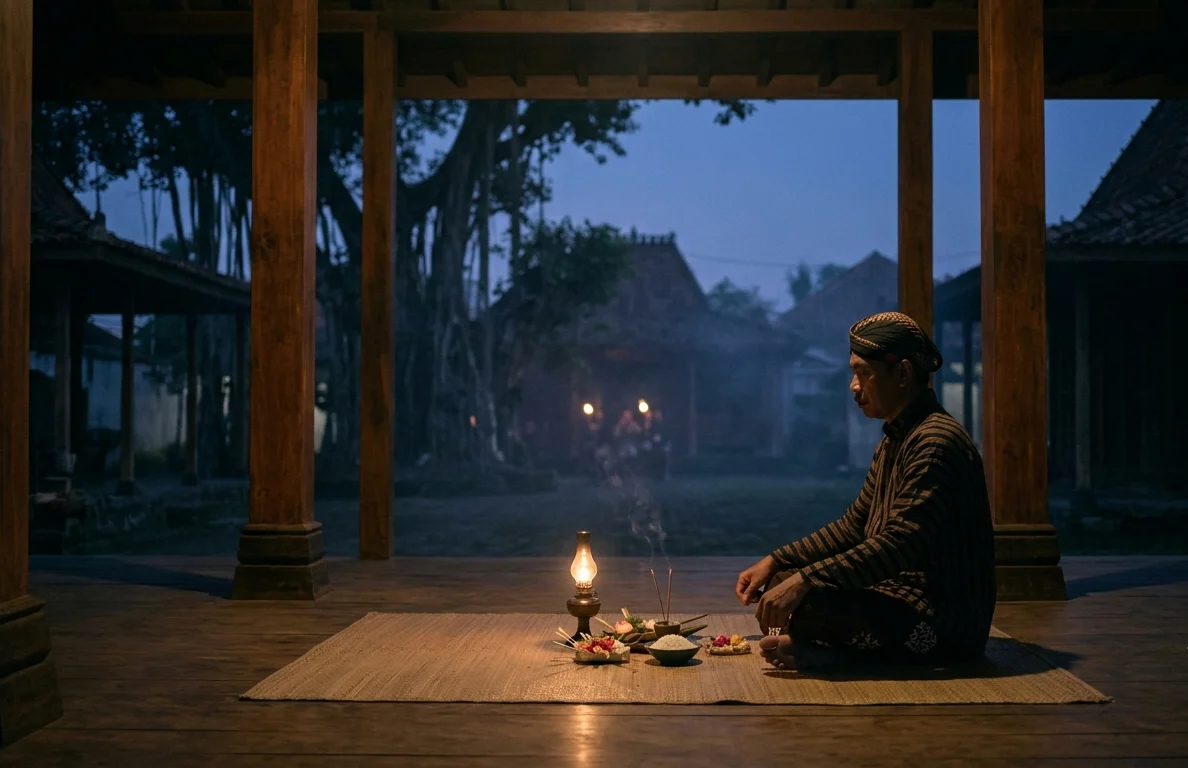
One of the most enduring traditions of Suro month is tirakatan, the practice of staying awake through the night, typically on the eve of 1 Suro, the turn of the Javanese new year. Rather than being filled with celebration, this night is instead spent in prayer, meditation, and quiet self-reflection, often done together with neighbors as a shared expression of humility in welcoming the new year.
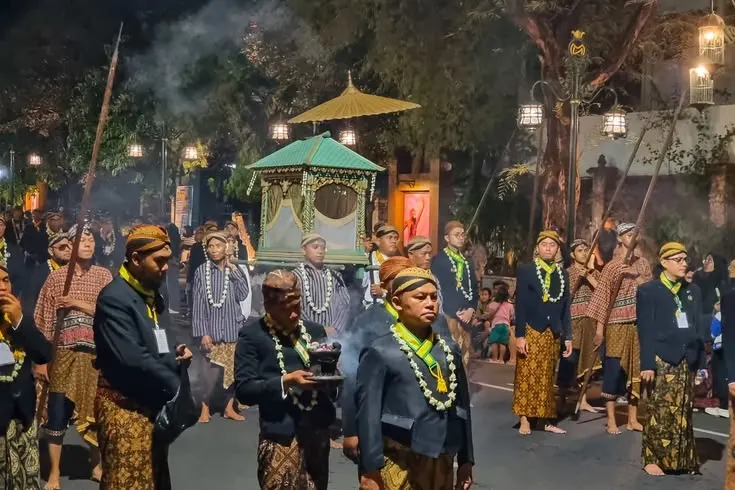
Alongside tirakatan, the kirab pusaka, or heirloom procession, is one of the most anticipated events of the first night of Suro, especially at the Yogyakarta and Surakarta (Solo) palaces. This ceremonial procession carries sacred heirlooms such as keris and royal regalia, led by members of the royal family, and in Surakarta it is accompanied by the kebo bule, or albino buffalo, considered sacred by the local community. Large crowds gather along the route because many believe that following the procession brings blessing. A full account of this tradition can be found in The Heirloom Procession on the Night of the First Suro at the Solo and Yogyakarta Palaces.
Ziarah Kubur and Siraman Pusaka: Honoring the Ancestral Line
Beyond tirakatan and kirab pusaka, many Javanese families use Suro month as an occasion for ziarah kubur, or nyekar, visiting and cleaning the graves of ancestors. This typically involves tidying the gravesite, laying flowers, and offering prayers as a gesture of respect toward those who came before, while also strengthening the family's sense of lineage as the new Javanese year begins.
Another important custom is siraman pusaka, the ritual cleaning or bathing of heirloom objects such as keris. For many in Javanese communities, this ritual is believed to renew the spiritual potency of the heirloom while also serving as an act of respectful maintenance for an inherited object. Some individuals go further still, undertaking their own lelaku or tapa brata during Suro, such as fasting or periods of silence, as a personal form of self-purification in line with the broader spirit of laku prihatin.
Taboos Traditionally Avoided During Suro Month
Alongside its traditions, Suro month is also widely known for a set of taboos, or pantangan, that have traditionally been avoided by many Javanese families. The most commonly cited is avoiding wedding celebrations. According to the beliefs held by some Javanese communities, Suro is considered an inauspicious month for marriage, leading many families to postpone weddings until the month has passed.
Another frequently mentioned taboo is avoiding moving house, or boyongan, which is traditionally believed to bring less fortune if carried out during this period. A more detailed look at how auspicious days for moving house are calculated can be found in Auspicious Days for Moving House According to Traditional Javanese Almanacs. In addition, loud celebrations or large festive gatherings are traditionally avoided, since the spirit of Suro leans toward quiet reflection rather than revelry. Some families also choose to delay non-essential travel or the launch of major new ventures until Suro has come to an end.
The Spirit of Restraint Behind These Customs
Looking more closely, the traditions and taboos of Suro month all trace back to a single underlying value: prihatin, or self-restraint. The month is regarded as a time to be more careful with words and actions, to avoid conflict, and to cultivate humility as preparation for the year ahead. These values echo the broader concept of laku prihatin that has long shaped Javanese philosophy, a theme also reflected in the practice of choosing auspicious days discussed in The Meaning Behind Good Days in Javanese Philosophy.
It is worth emphasizing that how strictly these customs are observed varies widely among Javanese communities today. Some families still follow them closely, others observe them loosely as a gesture of respect toward tradition, and others no longer practice them at all. Suro's traditions and taboos are best understood, then, as a living cultural tradition that continues to evolve, rather than as fixed rules binding on everyone in the same way.
FAQ
What is Suro month in the Javanese calendar?
Suro is the first month of the Javanese calendar, roughly corresponding to the Islamic month of Muharram, and is regarded by many Javanese communities as a sacred month.
Why is Suro month considered sacred?
Suro is believed to be spiritually charged because of its position as the opening month of the Javanese new year, requiring extra caution and humility compared to other months.
What is tirakatan on the eve of 1 Suro?
Tirakatan is the tradition of staying awake through the night on the eve of 1 Suro, filled with prayer, meditation, and quiet reflection, often shared with neighbors.
What is kirab pusaka?
Kirab pusaka is a ceremonial procession of sacred heirlooms, such as keris and royal regalia, held at the Yogyakarta and Surakarta palaces on the first night of Suro.
Why does the kebo bule take part in the Surakarta procession?
The kebo bule, or albino buffalo, is considered sacred by many in the local community and traditionally accompanies the palace heirlooms during the Surakarta procession.
What is siraman pusaka?
Siraman pusaka is the ritual cleaning or bathing of heirloom objects such as keris, believed to renew their spiritual potency while also serving as respectful maintenance.
Why are weddings avoided during Suro month?
Many Javanese communities believe Suro is an inauspicious month for marriage, so families commonly postpone weddings until the month has passed.
Is it truly forbidden to move house during Suro?
Moving house is not strictly forbidden, but it is traditionally avoided by some Javanese communities who believe it brings less fortune during this period.
Do all Javanese people still follow Suro's taboos?
No. Observance varies widely, with some families following the customs strictly, others loosely, and some not practicing them at all.
How does Suro month relate to laku prihatin?
Both the traditions and taboos of Suro reflect the spirit of laku prihatin, an emphasis on self-restraint, humility, and careful conduct in speech and action.
Is it acceptable to start a new business during Suro?
Some families traditionally prefer to delay launching a new business or major venture until after Suro has ended, though this is not a universal rule.
When is the best time to visit ancestral graves during Suro?
Ziarah kubur is typically carried out just before or during Suro month as a gesture of respect toward ancestors as the Javanese new year begins, without a single fixed date.
Understanding the traditions and taboos of Suro month offers a window into how Javanese communities approach the turn of the year with care, humility, and respect for those who came before. Read also The Heirloom Procession on the Night of the First Suro at the Solo and Yogyakarta Palaces, or Ruwatan Tradition as a Form of Warding Off Misfortune in Javanese Culture to explore more Javanese customs centered on safeguarding well-being and warding off misfortune.