Rebo Wekasan: The Javanese Tradition Warding Off Misfortune
September 2, 2026
As the Islamic calendar moves into the final weeks of the month of Safar, many Javanese communities begin preparing for a day considered especially significant: Rebo Wekasan. The name combines "Rebo" (Wednesday) with "wekasan," meaning "last" or "final," so Rebo Wekasan literally translates to the last Wednesday of the month of Safar in the Islamic calendar.
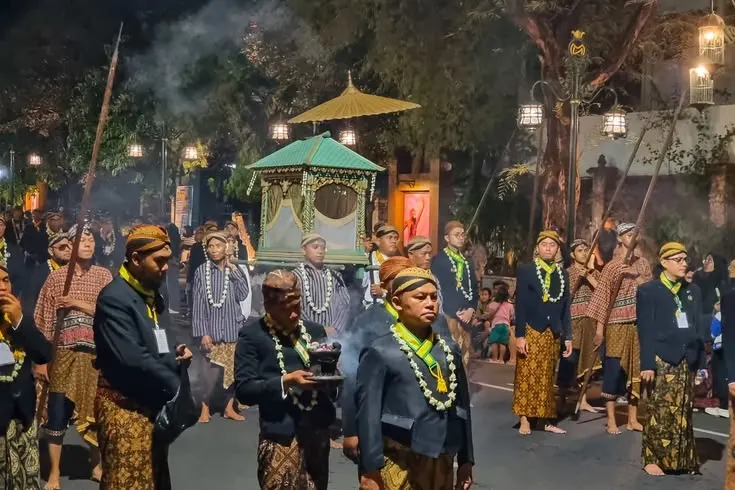
To outsiders, this might sound like an ordinary Wednesday. But within Javanese primbon belief and oral tradition passed down through generations, Rebo Wekasan is regarded as a day when misfortune and calamity are believed to descend in far greater volume than on any other day of the year. Because of this, communities across Java—from coastal towns to inland villages—hold special rituals known as tolak bala, a collective effort to seek protection from harm.
This article explores the origins of this belief, the practices commonly observed, the scholarly debate surrounding it, and how the tradition continues to live on within modern Javanese society.
The Origins and Meaning of Rebo Wekasan
A Blend of Local Belief and Islamic Mysticism
Rebo Wekasan is a clear example of Javanese syncretism, the blending of pre-Islamic local beliefs with Islamic teachings and symbols that arrived later in Java. Long before Islam took root, Javanese society already had its own calendrical system and beliefs about auspicious and inauspicious days, known through the practice of petungan and primbon. When Islam spread and acculturated with local customs, many of these older beliefs did not disappear but were instead wrapped in Islamic-sounding terms, prayers, and practices.
The belief that the last Wednesday of Safar is a day "full of calamity" is said to stem from oral traditions and narratives circulated among mystics and folk scholars in earlier centuries, describing thousands of misfortunes being sent down to earth on that single day. Such narratives are not found in widely authenticated hadith, yet they took firm hold as part of folk tradition, particularly in Java, Sumatra, and other parts of the archipelago.
The Month of Safar in Javanese Belief
Safar itself ranks second in the Islamic calendar, following Muharram, which corresponds to the Javanese month of Suro. Unlike Suro, which is regarded as sacred and a time for introspection, Safar is often viewed as a precarious month requiring extra caution. This perception reinforces why the last Wednesday of the month became the peak of that vigilance, and why communities feel the need to hold a special ritual to "close out" Safar safely.
Common Practices Observed
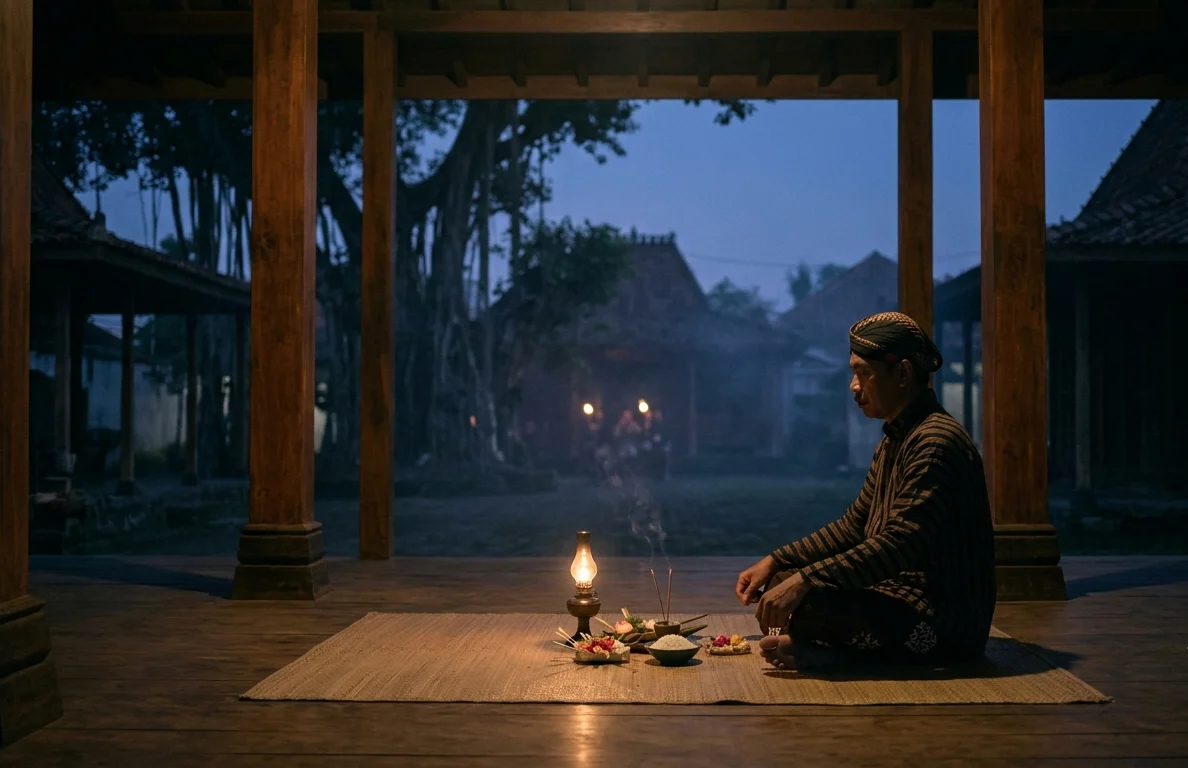
The tolak bala tradition on Rebo Wekasan takes different forms depending on local custom. One of the most common practices is the sholat tolak bala, a special congregational prayer performed at mosques or prayer halls, usually accompanied by the recitation of specific prayers, Qur'anic verses, and dhikr believed to protect worshippers from harm throughout the coming year.
Beyond prayer, many communities hold a slametan or kenduri, a communal meal accompanied by shared prayers as an expression of gratitude and a request for safety. In some traditions, special foods such as ketupat or apem are prepared as part of the offerings and shared with neighbors and relatives. Apem, for instance, is often interpreted as a symbol of seeking forgiveness and self-purification, echoing the very spirit of tolak bala.
In certain regions, especially those that still hold closely to ancestral custom, there is also a practice of avoiding long journeys, major undertakings, or important events such as weddings on Rebo Wekasan. This stems from the belief that the day's energy is less favorable for starting something new, so it is considered wiser to wait for a later day thought to be more neutral or auspicious.
The Scholarly Debate
Despite the tradition's continued popularity, many Islamic scholars caution against treating the belief in an "unlucky day" as part of formal Islamic teaching. Numerous scholars point out that there is no strong, widely accepted textual basis for the idea that a fixed quantity of calamity descends on a specific day such as Rebo Wekasan. The concept of an absolutely good or bad day is seen by many as running counter to the principle of tawhid, which holds that all matters of fortune, good and bad alike, come from the will of God rather than from a particular date on the calendar.
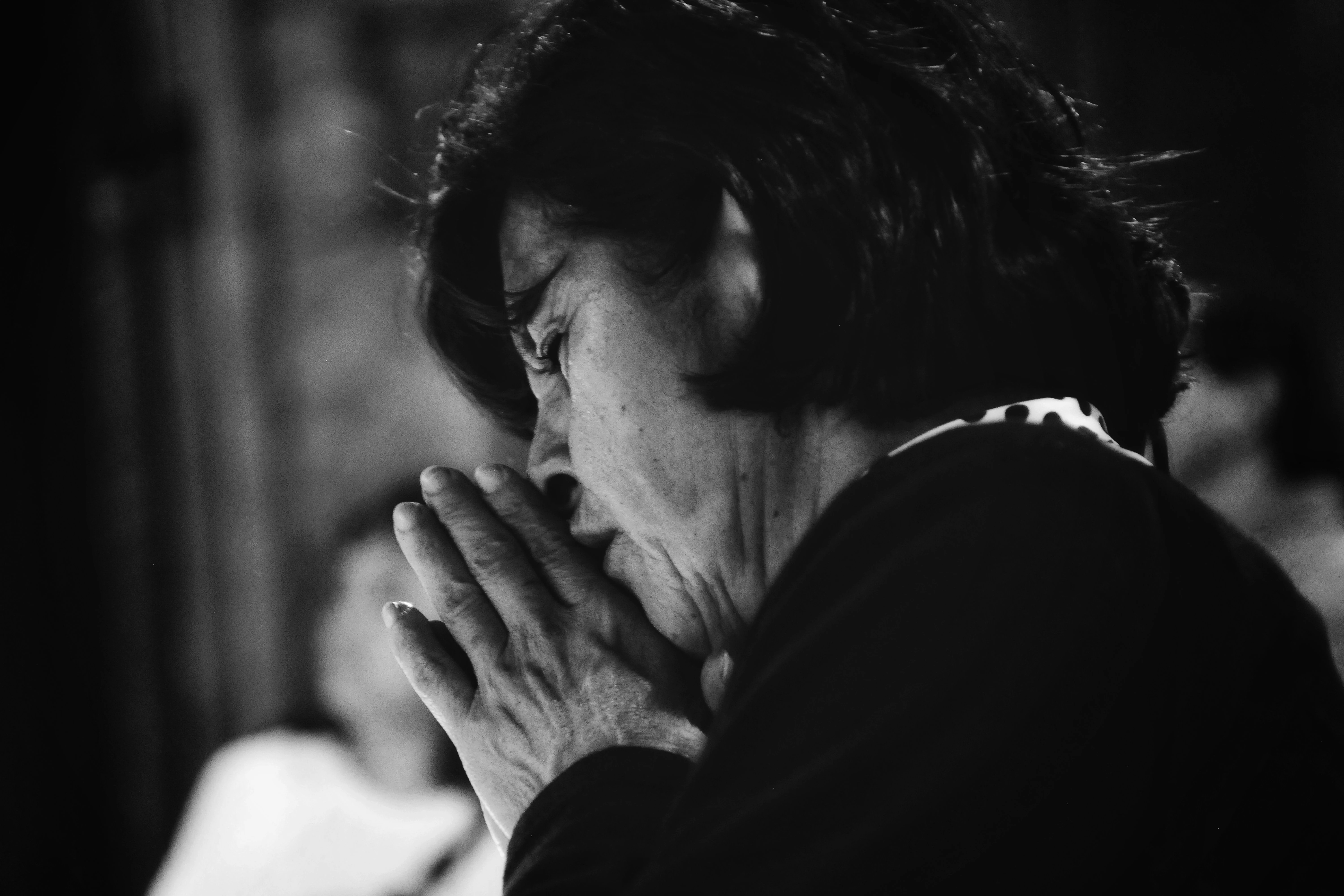
For this reason, a more measured stance—commonly encouraged by moderate religious teachers—is to view Rebo Wekasan as a cultural tradition and an occasion for extra prayer and self-reflection, rather than a binding religious obligation. The prayers, supplications, and charity carried out on that day remain meaningful acts of worship regardless of whether the literal belief about descending calamity holds true. This approach allows the tradition to be respected as a piece of cultural heritage while keeping the core teachings of the faith free from elements lacking firm grounding.
Rebo Wekasan in Modern Javanese Society
Interestingly, in the modern era, the practice of Rebo Wekasan has not simply faded away. In many villages and traditional communities, particularly in Central Java, East Java, and parts of West Java, the tradition is still upheld—though its meaning has shifted for many from literal fear of misfortune toward a social and spiritual occasion for gathering, strengthening communal ties, and reflecting on one's relationship with the Creator.
Younger generations raised in urban settings may know Rebo Wekasan mainly as part of the cultural calendar, yet many still take part in the communal prayers or shared meals out of respect for the sense of togetherness and ancestral heritage it carries. This is where Rebo Wekasan finds renewed relevance: not as a threat to be feared, but as a reminder to remain grateful, mindful, and connected—both to one another and to God.
FAQ
What does Rebo Wekasan mean?
Rebo Wekasan means "last Wednesday," referring to the final Wednesday of the Islamic month of Safar, which Javanese tradition regards as a day when large amounts of misfortune are believed to descend.
When is Rebo Wekasan observed?
Rebo Wekasan falls on the last Wednesday of the month of Safar according to the Islamic calendar, so its date shifts every year based on the Islamic lunar calculation.
Is Rebo Wekasan part of official Islamic teaching?
Not officially. Many scholars describe the belief in this "unlucky day" as a cultural and folk tradition rather than a teaching drawn from widely accepted Islamic sources.
Why is the month of Safar seen as precarious in Javanese belief?
In several strands of Javanese oral tradition, Safar is viewed as a month full of uncertainty, which is why communities tend to exercise extra caution and increase prayer throughout it.
What is sholat tolak bala?
Sholat tolak bala is a special voluntary prayer performed by some communities on Rebo Wekasan as a request for protection from harm, usually accompanied by specific supplications and dhikr.
What foods are typically prepared during Rebo Wekasan?
Some regions prepare ketupat or apem as part of the communal meal, which are interpreted as symbols of seeking safety and personal purification.
Are people discouraged from traveling on Rebo Wekasan?
In several local traditions, people are advised to avoid long trips or major undertakings on that day, though this is more a matter of inherited custom than a strict rule.
What do religious scholars say about this tradition?
Many scholars caution against treating the belief in an unlucky day as absolute, suggesting instead that the prayers and worship performed on that day be understood as an act of devotion rather than fear of a specific date.
Is Rebo Wekasan still observed today?
Yes, especially in traditional and rural Javanese communities, although its meaning today leans more toward social togetherness and spiritual reflection than literal fear.
How does Rebo Wekasan differ from ruwatan?
Ruwatan focuses on individuals or families believed to carry a particular sukerta, or burden of fate, while Rebo Wekasan is a collective ritual performed by the wider community on a specific day to ward off misfortune in general.
Do all regions in Java observe Rebo Wekasan the same way?
No. Ritual forms vary by region—some emphasize congregational prayer, while others place more weight on communal meals shared with neighbors.
Can someone who does not believe in the unlucky-day concept still take part in Rebo Wekasan?
Certainly. Many people join the tradition simply out of respect for ancestral culture and as an opportunity to strengthen communal bonds, without necessarily holding the literal belief about an unlucky day.
Rebo Wekasan ultimately reflects how Javanese society blends vigilance, spirituality, and communal life into a single tradition carried across generations. Whatever the debate over its religious grounding, it continues to hold a special place as a cultural inheritance that teaches the value of prayer, gratitude, and social solidarity. Read also Javanese Syncretism: How Different Beliefs Blended into Javanese Tradition, or Ruwatan Tradition as a Form of Warding Off Misfortune in Javanese Culture, and Suro Month in the Javanese Calendar: Traditions and Taboos to deepen your understanding of tolak bala traditions and the Javanese calendar.