Sedekah Bumi: A Javanese Expression of Gratitude for the Earth
July 20, 2026
Sedekah bumi is one of the traditions still widely practiced in many villages across Java, particularly in areas where communities depend heavily on agriculture for their livelihood. This tradition serves as a tangible expression of gratitude for the harvest given throughout the year.
What Is Sedekah Bumi
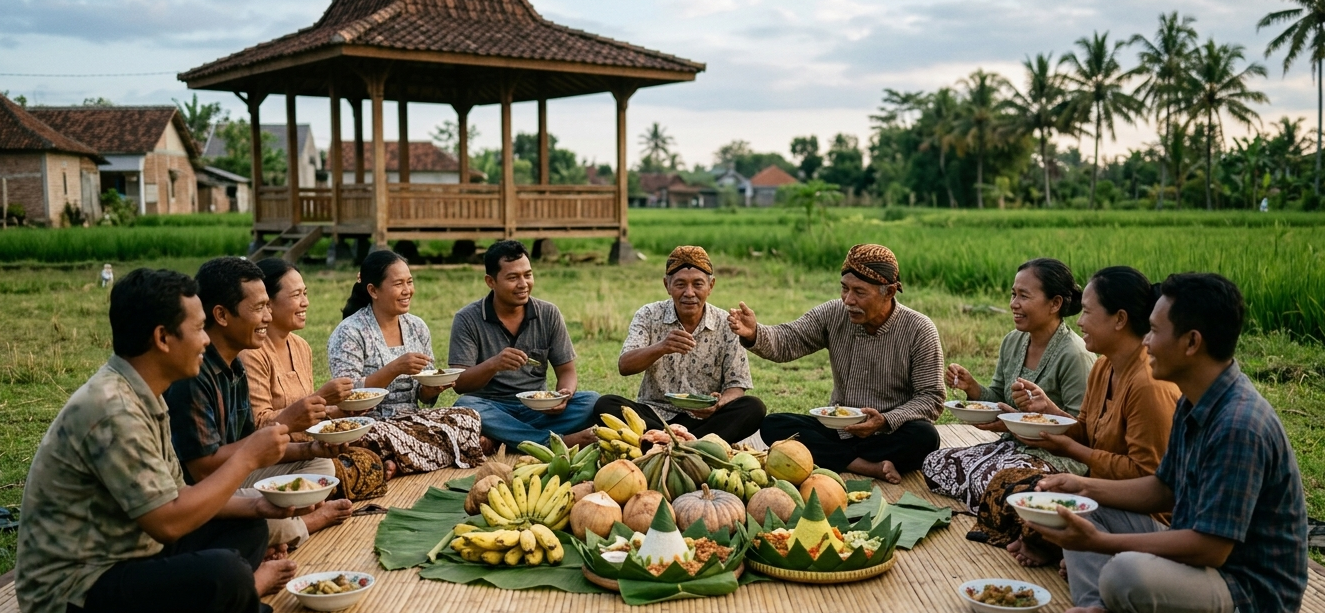
Sedekah bumi is a customary ceremony usually held once a year, typically after the harvest season ends, as a way of giving thanks to God for an abundant yield. The event usually involves the entire village, from preparation and communal prayer to a shared meal made from the harvested produce.
The Meaning Behind Sedekah Bumi
Beyond simply celebrating the harvest, sedekah bumi also carries a deeper meaning of togetherness and collective gratitude. Through this tradition, communities are reminded that a successful harvest is not merely the result of individual effort, but a blessing that should be appreciated together as one community.
The Sequence of Sedekah Bumi Events
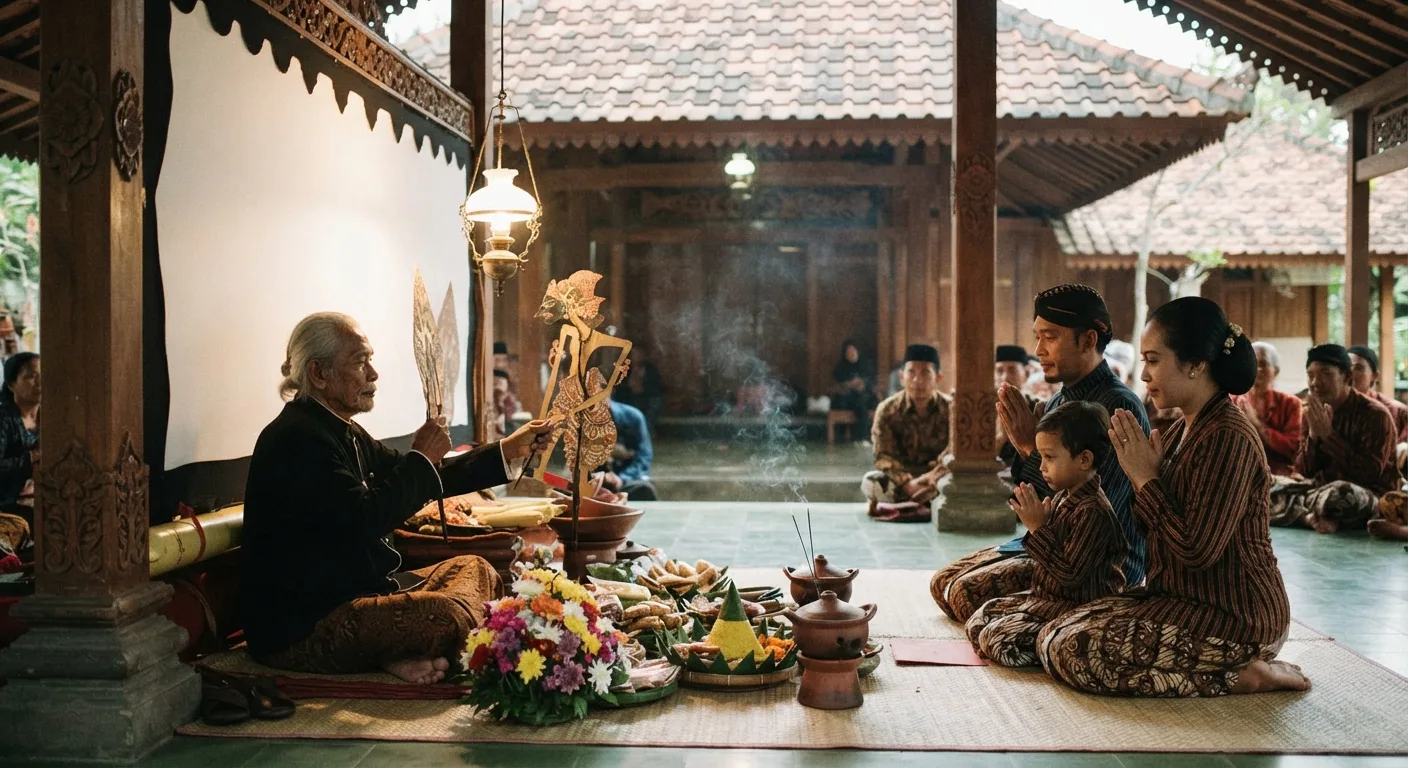
Sedekah bumi typically begins with communal work to clean the village area or location where the event will be held. Villagers then bring their own harvest produce to be blessed together, often led by a religious figure or village elder. Once the prayer ceremony ends, the event usually continues with a shared meal, becoming a moment that strengthens bonds among residents.
Variations of the Tradition Across Regions
Although the basic concept remains the same, the way sedekah bumi is carried out can differ slightly from region to region, whether in timing, the type of produce brought, or additional elements such as traditional art performances accompanying the main ceremony.
The Relevance of Sedekah Bumi Today
Although many communities today no longer depend entirely on agriculture, the sedekah bumi tradition is still preserved as a form of cultural continuity and a moment to strengthen social bonds among villagers, while also serving as a reminder of the importance of gratitude in everyday life.
Frequently Asked Questions
What is the sedekah bumi tradition?
Sedekah bumi is an annual customary ceremony expressing communal gratitude for an abundant harvest, usually held after the harvest season.
When is sedekah bumi usually held?
The timing varies by region, though it is generally held once a year after the harvest season ends.
What is the main meaning behind the sedekah bumi tradition?
Its main meaning is the community's collective gratitude for the harvest, while also strengthening togetherness among residents within a single community.
Who typically takes part in the sedekah bumi ceremony?
The entire village usually takes part, from preparing the event and communal prayer to sharing a meal made from the harvested produce.
Is sedekah bumi only carried out by farmers?
Not only farmers, the whole village typically participates, though the produce brought often does come from local agricultural harvests.
Does sedekah bumi carry a religious element?
Yes, communal prayer is an important part of this event, though the content of the prayer can be adapted to the beliefs of whichever community carries out the tradition.
Is this tradition the same across all regions in Java?
The basic concept is the same, though the details of timing and additional elements can vary depending on local traditions in each region.
Is sedekah bumi still relevant for urban communities?
Although more commonly practiced in rural areas, the values of gratitude and togetherness within this tradition remain relevant for urban communities to understand and appreciate.
Are there art performances during the sedekah bumi event?
In many regions, sedekah bumi is also accompanied by traditional art performances such as wayang puppetry or dance as part of the event.
How do modern communities interpret the sedekah bumi tradition?
Many interpret it as a moment to strengthen social bonds and preserve ancestral culture, even if they no longer fully depend on agriculture.
Is participation in sedekah bumi mandatory for all villagers?
There is no absolute obligation, but due to its communal nature, most villagers typically take part voluntarily.
Is sedekah bumi related to slametan?
There is a conceptual similarity between the two, since both involve communal prayer and a shared meal as an expression of gratitude, though the context of each differs.
Are tourists allowed to watch the sedekah bumi event?
Yes, in some regions this event is even promoted as part of cultural tourism, open to visitors from outside the area.
Does organizing sedekah bumi require a large budget?
This event is generally organized through mutual cooperation among villagers, so the cost is shared collectively and does not heavily burden any single party.
What is the social benefit of the sedekah bumi tradition for village communities?
Beyond expressing gratitude, this tradition also strengthens social solidarity, deepens bonds among residents, and preserves local culture across generations.