Pitutur Jawa: Ancestral Wisdom for Everyday Life
September 7, 2026
Many people who grew up in a Javanese household remember hearing short, simple phrases from their parents or grandparents that carried a surprising weight of meaning. These sayings are known as pitutur Jawa, ancestral advice passed down through generations, whether spoken aloud in daily life or preserved in old Javanese manuscripts.
Pitutur is more than a clever turn of phrase. It reflects a whole worldview, one that teaches humility, patience, and balance through memorable, easily repeated expressions. This article walks through what pitutur really means, the philosophy behind it, and a curated collection of the most well-known pitutur Jawa still quoted today.
Understanding the Meaning of Pitutur in Javanese Culture
The word "pitutur" comes from the root "tutur," meaning to speak or to tell. Pitutur can be translated as advice, teaching, or counsel delivered through speech, usually as a short sentence, expression, or paribasan (Javanese proverb). Unlike formal rules or written law, pitutur works gently, woven into everyday conversation between parents and children, teachers and students, or among members of a community.
What makes pitutur distinctive is that it rarely lectures directly. A pitutur is typically wrapped in metaphor or analogy that appeals to both reason and feeling, making the message easier to accept and remember over the long run. This is why pitutur Jawa has survived across generations, even though it was never written into any formal curriculum.
The Philosophy Behind Pitutur: Character Education Without a Classroom
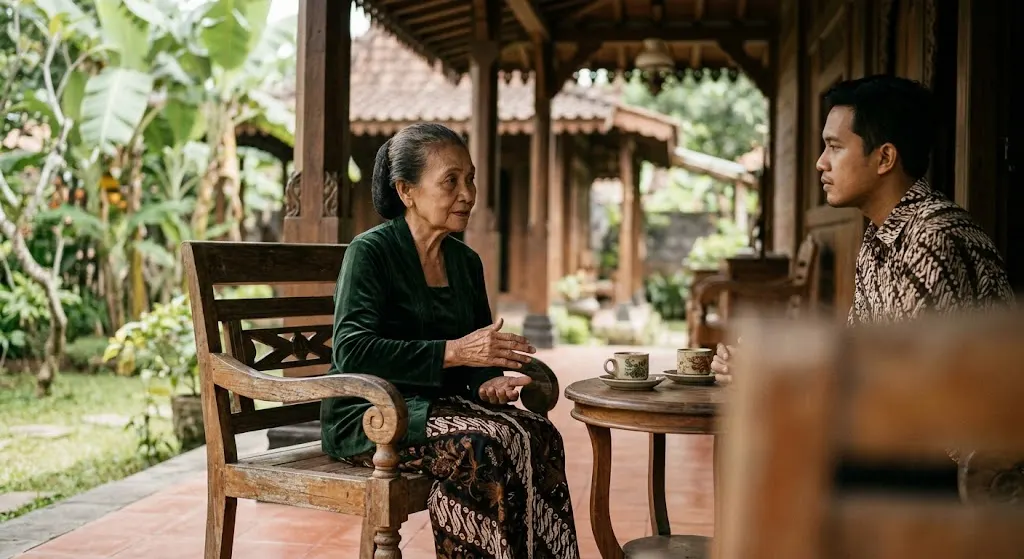
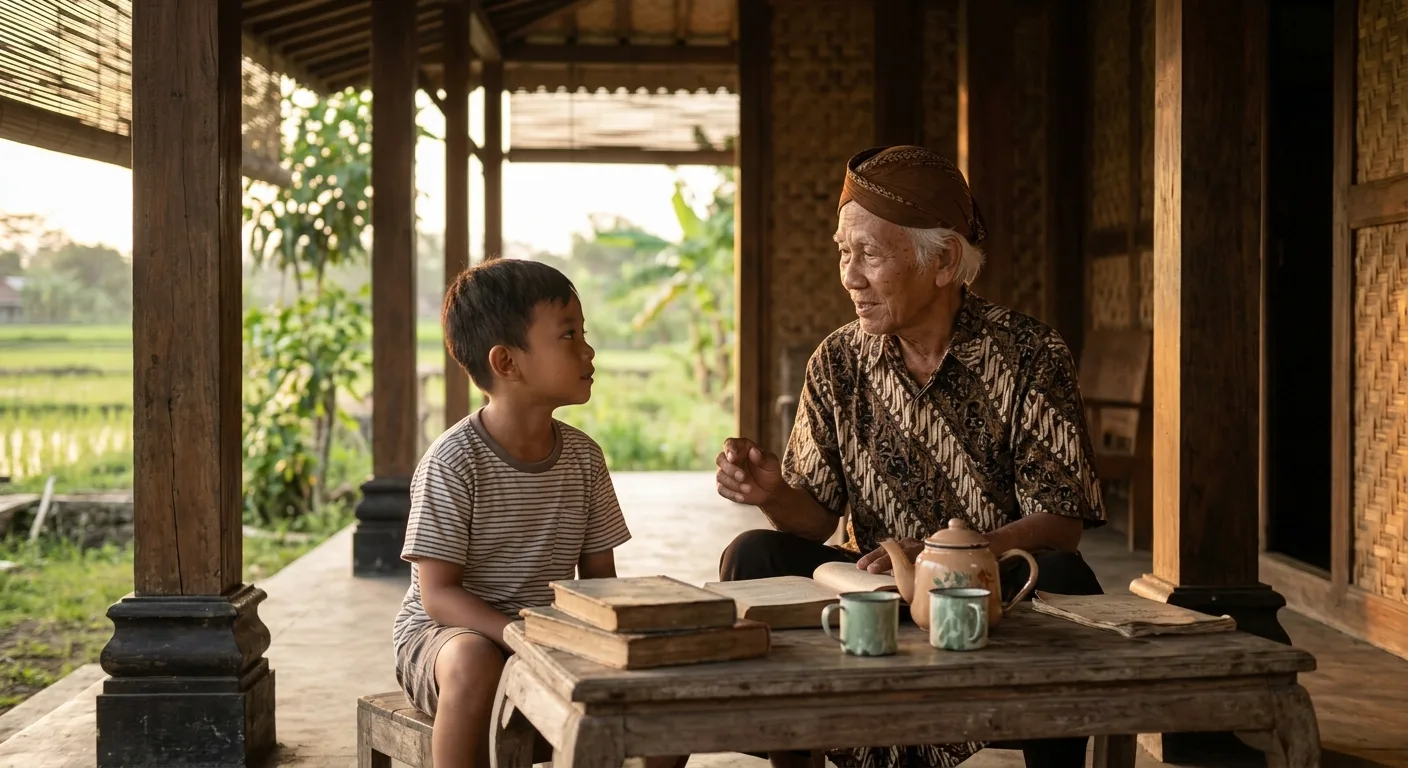
Long before formal schooling reached Java, shaping a child's character and morals depended entirely on oral tradition within the family and community. Parents, grandparents, and village elders acted as everyday "teachers of life," instilling values through stories, songs, and, of course, pitutur.
Pitutur proved to be an effective teaching method because it was delivered in real, lived context rather than as abstract theory. When a child began acting arrogant, for instance, a parent would gently remind them with the pitutur "aja dumeh" rather than scolding outright. This approach was seen as more respectful toward the person being advised, while also teaching that true wisdom comes from self-awareness rather than outside force. This philosophy made pitutur Jawa the backbone of moral education in Javanese society for centuries, long before formal schools ever existed.
A Collection of Well-Known Pitutur Jawa and Their Meanings
Here are some of the most widely recognized pitutur Jawa, along with the meaning behind each one.
Aja dumeh — literally "don't presume." This saying warns against becoming arrogant or overbearing simply because one holds power, wealth, or status. It teaches humility as the foundation for how a person treats others.
Alon-alon waton kelakon — meaning "slow but sure" or "go slowly, as long as it gets done." This pitutur emphasizes patience and care over haste. Something done carefully tends to produce better, longer-lasting results than something rushed.
Sepi ing pamrih, rame ing gawe — meaning to work hard without expecting personal reward. This value is closely tied to the spirit of public service, often used as a guiding principle for those in leadership or community roles.
Ngono ya ngono, ning aja ngono — roughly translated as "do as you will, but don't overdo it." This pitutur teaches that personal freedom must still stay within the bounds of propriety and should never cross shared social norms.
Mikul dhuwur mendhem jero — literally "to carry high, to bury deep." This saying is closely associated with how one should treat parents or ancestors: honoring their good deeds openly while keeping their faults quietly buried out of respect.
Becik ketitik, ala ketara — meaning that both good and bad character eventually reveal themselves. This pitutur reminds people to keep doing good, because sooner or later, a person's true nature will come to light.
Witing tresna jalaran saka kulina — meaning that love and affection often grow from familiarity and shared habit rather than a single first encounter. This saying is a reminder that genuine relationships are built through process, loyalty, and time spent together.
Pitutur Jawa and the Broader Values of Kejawen
While this article focuses on pitutur as a collection of sayings, it's worth noting that many pitutur actually echo deeper kejawen values, such as eling lan waspada (staying mindful and alert), rila-narima-sabar (acceptance, contentment, and patience), and laku prihatin (restraint for the sake of a greater good). Pitutur can be seen as an accessible entry point into these broader philosophical teachings.
The difference is that pitutur usually comes in short, practical sentences suited for everyday situations, while the kejawen values above represent a more complete and reflective way of life. The two complement each other: pitutur serves as a quick reminder, while kejawen teachings provide the deeper framework of thought behind it.
Why Pitutur Jawa Still Matters Today
In the middle of today's fast-paced modern life, pitutur Jawa has found renewed relevance. A saying like "alon-alon waton kelakon" reminds us not to chase instant results too hastily, while "aja dumeh" feels especially fitting as a check against the culture of showing off on social media.
Many younger Javanese are rediscovering interest in pitutur Jawa as a source of practical, down-to-earth life guidance, rather than viewing it as an outdated cultural relic. Pitutur offers timeless guidance on character precisely because it speaks to human nature, not to technology or trends that shift with every season.
How to Pass Pitutur Jawa on to the Next Generation
Preserving pitutur doesn't require anything rigid or formal. Parents can begin by weaving pitutur naturally into daily conversation, such as when gently correcting a child who is being arrogant or impatient. Folktales, children's songs (tembang dolanan), and bedtime stories are also natural vehicles for passing on pitutur without it ever feeling like a lecture.
In the digital age, pitutur Jawa can also be repackaged through social media content, collections of sayings in books, or simply relaxed family conversations. What matters most is keeping the essence of its meaning alive, even as the medium of delivery keeps changing with the times.
FAQ
What does the word "pitutur" mean in Javanese?
Pitutur comes from the word "tutur," meaning to speak or to tell. It generally refers to advice or teaching passed on orally or in writing to guide a person's attitude and behavior.
What is the difference between pitutur and primbon?
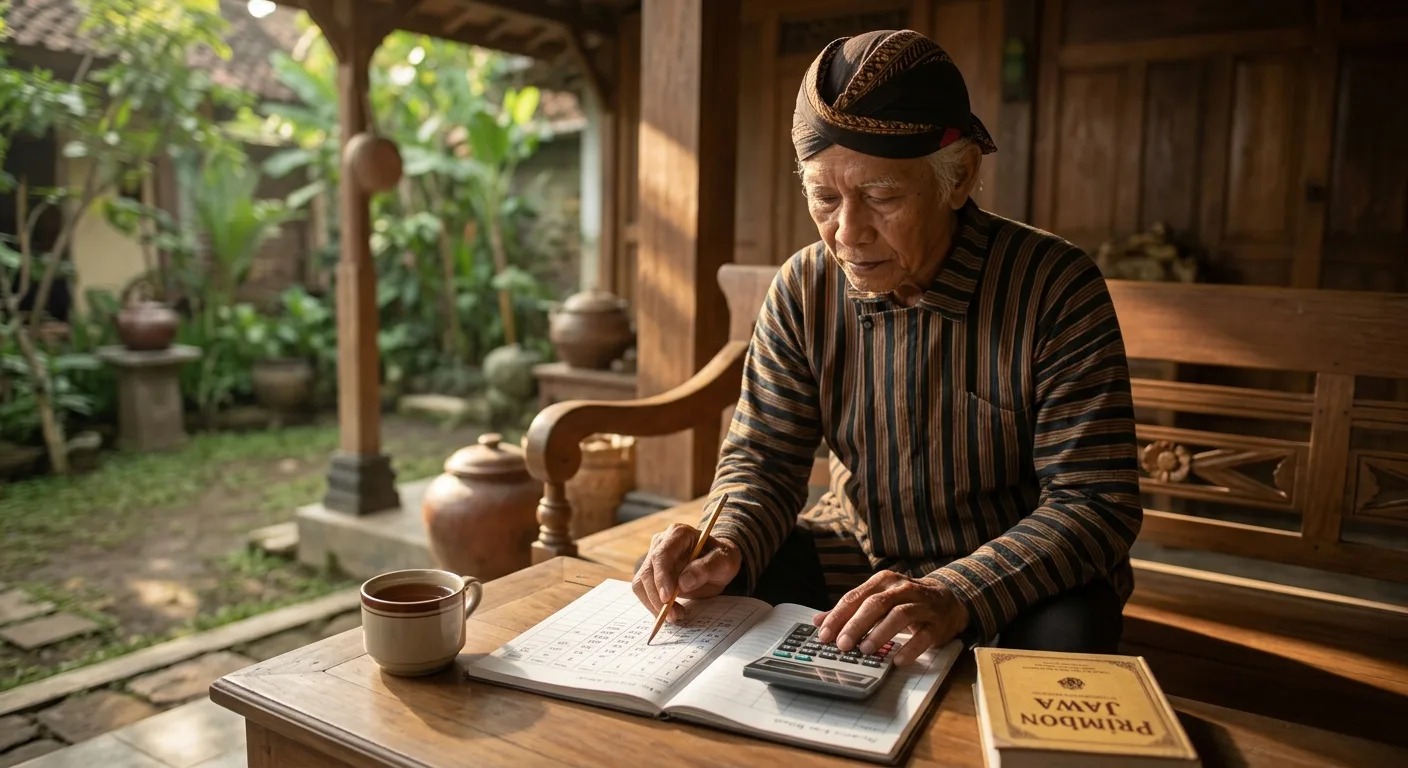
Primbon is more concerned with calculating auspicious days, weton, and predictions based on the Javanese calendar, while pitutur is moral advice in the form of wise sayings that teach life values and character.
Who typically passes down pitutur Jawa?
Pitutur is usually passed down by parents, grandparents, teachers, or community elders to younger generations, as part of character education within the family and community.
What are some of the most famous examples of pitutur Jawa?
Some of the best-known pitutur include "aja dumeh," "alon-alon waton kelakon," "sepi ing pamrih rame ing gawe," and "mikul dhuwur mendhem jero."
What does "Aja dumeh" mean?
"Aja dumeh" means don't be arrogant or act with impunity simply because you hold power, position, or some advantage over others.
What does "Alon-alon waton kelakon" mean?
This saying means that doing something slowly but surely is better than rushing, since well-matured results usually come from a patient process.
What does "Sepi ing pamrih, rame ing gawe" mean?
This pitutur teaches working hard and diligently without expecting personal reward, especially when it comes to serving the community.
What does "Mikul dhuwur mendhem jero" mean?
It means honoring a person's good deeds, especially parents or ancestors, while quietly keeping their shortcomings private as a form of respect and devotion.
Is pitutur Jawa still relevant in modern times?
Very much so. Values such as patience, humility, and selfless effort are arguably needed even more in today's fast-paced, competitive world.
How can pitutur Jawa be taught to children?
Pitutur can be woven into everyday conversation, folktales, children's songs, or bedtime stories, so children absorb its values naturally without feeling lectured.
Is pitutur Jawa only meant for Javanese people?
No. While it originates from Javanese culture, the values embedded in pitutur are universal and can serve as life guidance for anyone who appreciates cross-cultural wisdom.
Where can I find more collections of pitutur Jawa?
Collections of pitutur Jawa can be found in old manuscripts, primbon books, and various articles on Javanese culture, including deeper explorations here on Kejawen Times.
Pitutur Jawa proves that wisdom doesn't need to be complicated to be meaningful. Through short sentences passed down across generations, Javanese ancestors managed to entrust life lessons that remain relevant today. Preserving and reviving these sayings is one simple yet meaningful way to keep local wisdom alive in a world that keeps changing. Read also Eling lan Waspada: A Kejawen Value Still Relevant in Modern Times, or Rila, Narima, Sabar: Three Kejawen Attitudes for Living Well, as well as Laku Prihatin in Kejawen Tradition: Meaning and Purpose to deepen your understanding of kejawen values.