Friday Kliwon Night: Myths, Meaning, and Facts Behind It
August 29, 2026
In Javanese culture, not every night carries the same weight. Once every 35 days, one particular night arrives and is met with a mix of caution, reverence, and quiet unease: Friday Kliwon night. This night has nothing to do with anyone's personal birth weton — it is about a recurring convergence in the calendar itself, one believed to carry a different spiritual charge than an ordinary evening.
The Javanese calendar runs two cycles side by side: the familiar seven-day week (Sunday through Saturday) and a five-day market cycle called pasaran (Legi, Pahing, Pon, Wage, Kliwon). Because these two cycles run at different lengths, Friday and Kliwon only align once every 35 days, a period known as selapan. It is this rarity, combined with the symbolic weight each element carries on its own, that has made this particular night the most talked-about and most "keramat" (sacred) point in the Javanese almanac. This article explores where these beliefs come from, what they mean spiritually to Javanese communities, and how to think about the night clearly in modern life.
Unpacking the Mystery of Friday Kliwon Night in Javanese Tradition
To understand why this night stands apart, it helps to look at its two components separately, then see how they are believed to reinforce each other when they land on the same night.
Friday Meets Kliwon: Why This Combination Is Considered So Sacred
In Javanese tradition, shaped by centuries of Islamic-Javanese syncretism, Friday holds a distinguished place. It is often referred to as the "king of days" (sayyidul ayyam), a time associated with worship, prayer, and moments considered especially spiritually potent. On the other side of the equation sits Kliwon, widely regarded within the Javanese pasaran system as the market-day with the strongest and most mysterious energy — traditionally linked to the earth, darkness, and the unseen realm in older Javanese cosmology.
When two elements each already considered spiritually "heavy" converge on the same night, folk belief holds that their combined energy intensifies. Friday Kliwon night is thus imagined as a moment when the boundary between the visible and unseen worlds is thought to grow thinner than usual. This is the root of why the night is treated so differently from other pasaran nights, such as Tuesday Kliwon or Friday Legi.
Myths and Folk Beliefs Surrounding Friday Kliwon Night
From that underlying belief, a wide range of folklore has grown and been passed down through generations. One of the most common is the idea that supernatural activity intensifies on this night — spirits are said to roam more freely, and places already considered haunted are believed to become even more "active" than usual.
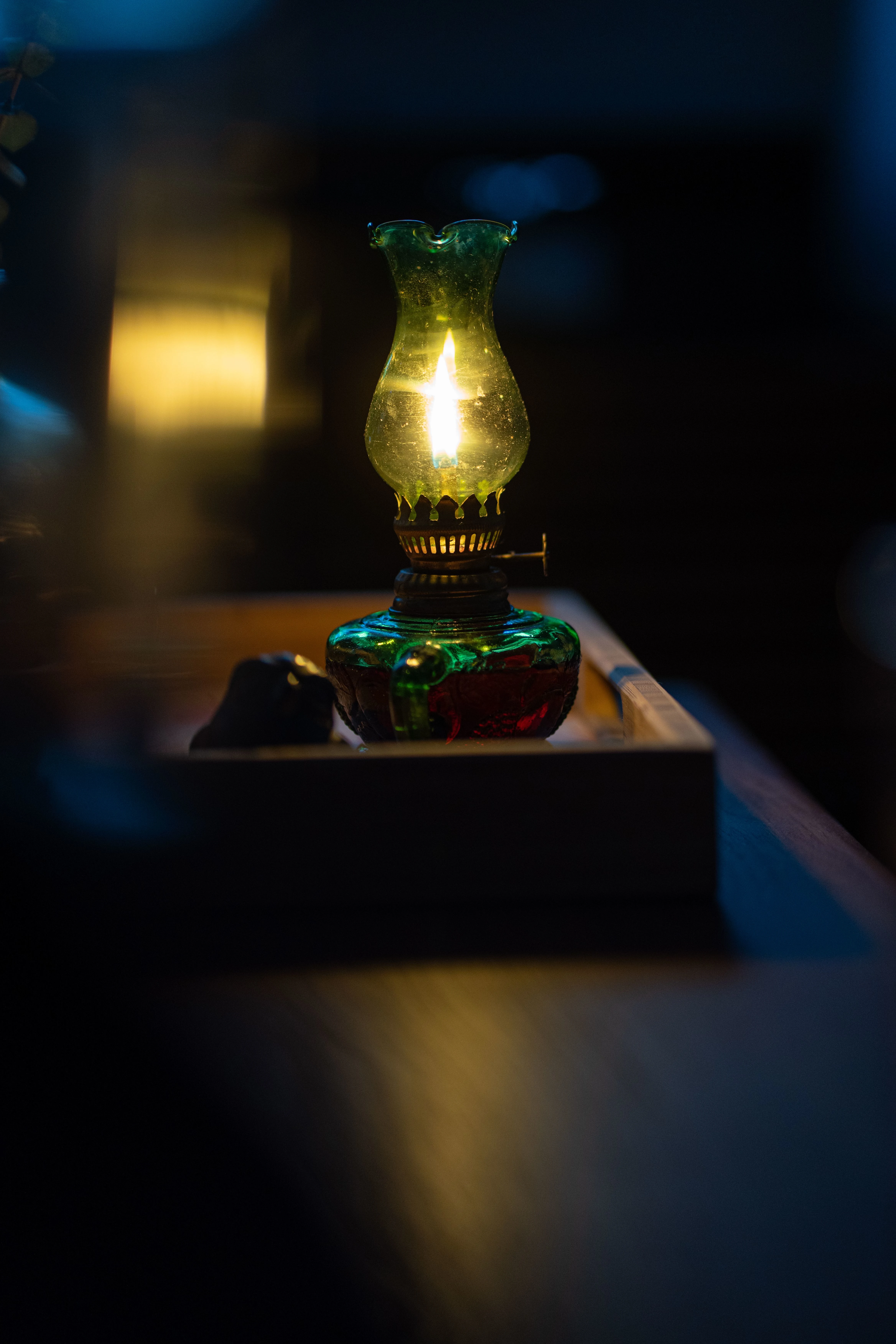
This belief has given rise to a number of taboos still observed by some families, such as avoiding long or late-night travel, not leaving laundry hanging outside overnight, or steering clear of crossroads at certain hours. Some households keep every light on through the night as a symbolic form of vigilance. On a more constructive note, many people instead observe tirakatan — staying awake through the night to pray, recite dzikir, or simply reflect. For many Javanese families, tirakatan on Friday Kliwon night is not really about fear of the unseen at all; it is a deliberate moment for spiritual closeness and self-reflection.
The Factual Side: Friday Kliwon Within the Primbon Calendar System
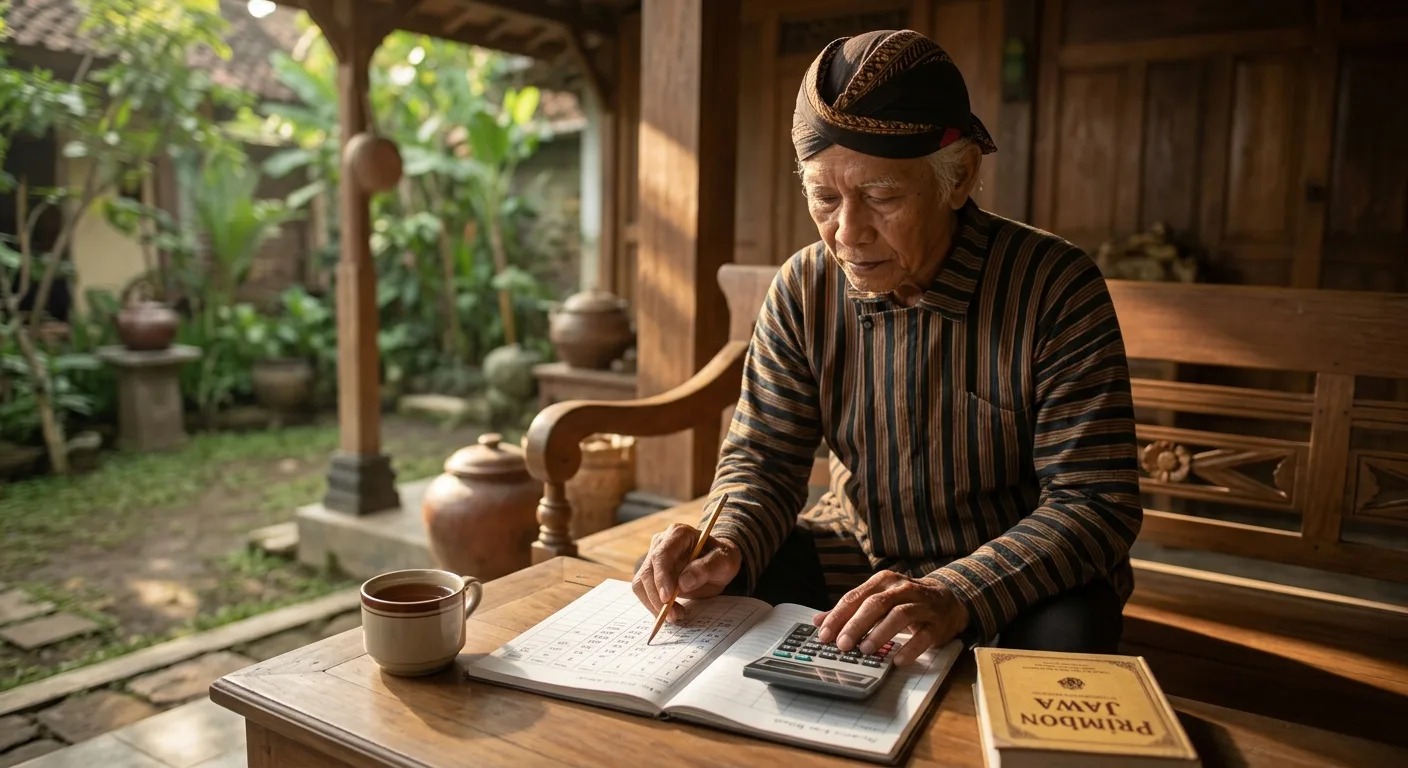
Beyond the folklore, there is a more structured, factual dimension to Friday Kliwon. Within the traditional Javanese counting system known as petungan, Friday Kliwon is one of 35 day-pasaran combinations that make up the selapan cycle, and each combination carries its own neptu, a numerological value used across primbon calculations — from choosing auspicious dates to determining the character associated with a person's birth weton.
Viewed through a cultural-anthropology lens, a "sacred night" phenomenon like this is part of a belief system that historically helped agrarian communities mark time, structure social rhythms, and reinforce community cohesion through shared ritual. In other words, the sanctity of Friday Kliwon does not have to be read as a warning of danger — it can just as easily be understood as a time marker that ancestors used to pause, reflect, and renew their connection to something larger, whether that is God, ancestors, or their own inner life.
How to Think About Friday Kliwon Night Wisely Today
Approaching Friday Kliwon night thoughtfully in the present day means avoiding two extremes: accepting every myth uncritically out of fear, or dismissing the whole tradition outright as meaningless superstition. A more balanced approach treats it as a piece of cultural heritage rich in symbolic meaning, regardless of whether its mystical claims can be empirically verified.
Many Javanese people today choose to use this night for genuinely positive purposes — praying with more focus, reviewing their own conduct, spending quality time with family, or simply setting devices aside to sit with their thoughts. Respecting a tradition does not require living in fear of it; instead, it can serve as a bridge to understanding how ancestors once viewed time, nature, and the unseen — a legacy that remains relevant as cultural identity, not as a source of anxiety.
FAQ
What is Friday Kliwon night?
Friday Kliwon night is the night when Friday coincides with the Kliwon market-day in the Javanese calendar, a combination that occurs once every 35 days and is believed to carry a stronger spiritual charge than an ordinary night.
Why is Friday Kliwon considered more sacred than other day combinations?
Because Friday is regarded as the most honored day in Javanese-Islamic tradition, while Kliwon is seen as the pasaran with the strongest mystical energy. Their combination is believed to double the night's spiritual weight.
How often does Friday Kliwon night occur?
It occurs once every 35 days, following the selapan cycle formed by the overlap of the seven-day week and the five-day Javanese pasaran system.
Is Friday Kliwon night the same as being born on the Friday Kliwon weton?
No. The Friday Kliwon weton refers to the character and fortune associated with someone born on that day, while Friday Kliwon night is a recurring point in time that applies equally to everyone, regardless of their own birth day.
Is it true that Friday Kliwon night is closely tied to ghosts and supernatural activity?
That is a widely circulated folk belief rather than an established fact. Many people still honor the tradition out of respect for their heritage without literally believing every story attached to it.
What is tirakatan, and why is it often practiced on Friday Kliwon night?
Tirakatan is the practice of staying awake through the night to pray, recite dzikir, or reflect. Friday Kliwon night is often chosen because it is seen as an especially fitting time to deepen one's spiritual discipline.
What taboos do some Javanese people still observe on Friday Kliwon night?
Common ones include avoiding solo late-night travel, not leaving laundry out overnight, and avoiding lingering in places considered haunted.
Do all Javanese people believe in these myths?
No. Belief varies widely between individuals and generations. Some hold on to these beliefs as ancestral wisdom, while others view them simply as folklore.
How does kejawen view Friday Kliwon night?
Within kejawen thought, the night is more often framed as a time for introspection and inner closeness rather than something to be feared outright.
Is Friday Kliwon night actually dangerous?
There is no empirical evidence that this night is physically more dangerous than any other. The perception of danger comes primarily from inherited belief and cultural narrative rather than verifiable fact.
How can someone approach Friday Kliwon night without excessive fear?
Understand the myths as part of a rich cultural heritage, take the constructive elements such as reflection and spiritual closeness, and avoid letting it become a source of everyday anxiety.
What is the benefit of treating Friday Kliwon night as a moment of reflection?
Using it as time to pray, evaluate oneself, or strengthen family bonds can bring inner calm while keeping a healthy, meaningful connection to ancestral tradition.
Understanding Friday Kliwon night means balancing respect for ancestral heritage with a clear, grounded perspective. Read also Weton Friday Kliwon: Character, Fortune, and Life Potential, or Suro Month in the Javanese Calendar: Traditions and Taboos, and Ancestral Belief and Guardian Spirits Across Regional Traditions in Java to deepen your understanding of the spiritual side of Javanese culture.