What Is Meant by Puasa Weton
August 2, 2026
Puasa weton is a fasting practice carried out on the exact day that matches a person's own weton, according to the Javanese calendar — the combination of a weekday (Monday through Sunday) and a pasaran day (Legi, Pahing, Pon, Wage, Kliwon) on which they were born. Because this day-pasaran combination only recurs once every 35 days, puasa weton is ideally observed on that 35-day cycle, rather than weekly like the more familiar Monday-Thursday fasting.
This practice is considered a form of tirakat, or spiritual discipline, in Javanese culture, believed to be an expression of gratitude as well as a request for safety and wellbeing for the person observing it.
Origin and Meaning of Puasa Weton
In Kejawen belief, a person's day of birth is more than just a marker of time — it is believed to carry an energy and presence that accompanies them throughout life, sometimes referred to in certain beliefs as "sedulur papat lima pancer" (the four unseen siblings with a fifth as the center). One's birth weton is regarded as a spiritual identity that deserves to be honored and kept in balance.
Fasting on the exact day of one's own weton is then understood as a way of honoring one's day of birth, expressing gratitude for the life lived so far, and asking to be kept away from obstacles while being granted smoothness in the life ahead.
How Puasa Weton Is Practiced
In general, puasa weton follows a pattern similar to other sunnah fasts, meaning abstaining from food and drink from dawn until sunset. What sets it apart is simply its timing, which is aligned with each person's own birth weton and repeated every 35 days.
Some people observe it simply, in the same way as an ordinary fast, while others add certain food restrictions during the fast, such as avoiding seasoned food, meat, or specific foods believed to disturb the focus of their spiritual practice.
Variations of Puasa Weton
There are several known variations of puasa weton within Kejawen tradition. Ordinary puasa weton follows a standard fast with no special food restrictions — simply abstaining from hunger and thirst from dawn until sunset.
Puasa mutih is a stricter version, in which the person may only eat plain white rice without any side dishes, salt, or seasoning when breaking the fast, symbolizing purity of intention and simplicity of heart.
Puasa ngrowot is another variation that only permits fruits and vegetables when breaking the fast, without rice or meat.
The choice of which variation to follow is usually based on each individual's intention, capability, and spiritual purpose.
Purpose and Benefits of Puasa Weton
For those who practice it, puasa weton is believed to serve several purposes: expressing gratitude for one's day of birth, providing a space for introspection and self-discipline, seeking tolak bala or protection from misfortune, and helping maintain inner balance while strengthening one's spiritual sensitivity.
Some people also observe puasa weton ahead of important life moments, such as approaching their weton birthday, before a wedding, or while making a specific request or vow, as a way of expressing the sincerity behind that hope.
Things to Keep in Mind
While regarded as a meaningful spiritual practice, it's important to understand that puasa weton is a cultural tradition carried out according to each person's own beliefs. Sincere intention, humility, and not turning it into excessive self-imposed hardship are things anyone practicing it should keep in mind.
For those with certain health conditions, consulting a medical professional before undertaking any form of fasting — including puasa weton — is also advisable, so it doesn't put unnecessary strain on the body.
FAQ
What is meant by puasa weton?
Puasa weton is a fasting practice observed on the exact day that matches a person's own birth weton in the Javanese calendar, as an expression of gratitude and a request for safety.
When is puasa weton observed?
Puasa weton is observed on the day matching a person's birth weton, which recurs once every 35 days according to the Javanese calendar cycle.
What's the difference between puasa weton and Monday-Thursday fasting?
Monday-Thursday fasting follows the weekly Gregorian calendar, while puasa weton follows each individual's own weton and recurs every 35 days.
What is puasa mutih within puasa weton tradition?
Puasa mutih is a stricter variation of puasa weton in which the person may only eat plain white rice without any side dishes, salt, or seasoning when breaking the fast.
What is the main purpose of puasa weton?
Its main purpose is to express gratitude for one's day of birth, provide space for self-reflection, and seek protection and smoothness in life.
Is puasa weton mandatory for every Javanese person?
No. Puasa weton is a tradition observed according to personal belief and intention, not an obligation for everyone.
How can someone find out their own birth weton?
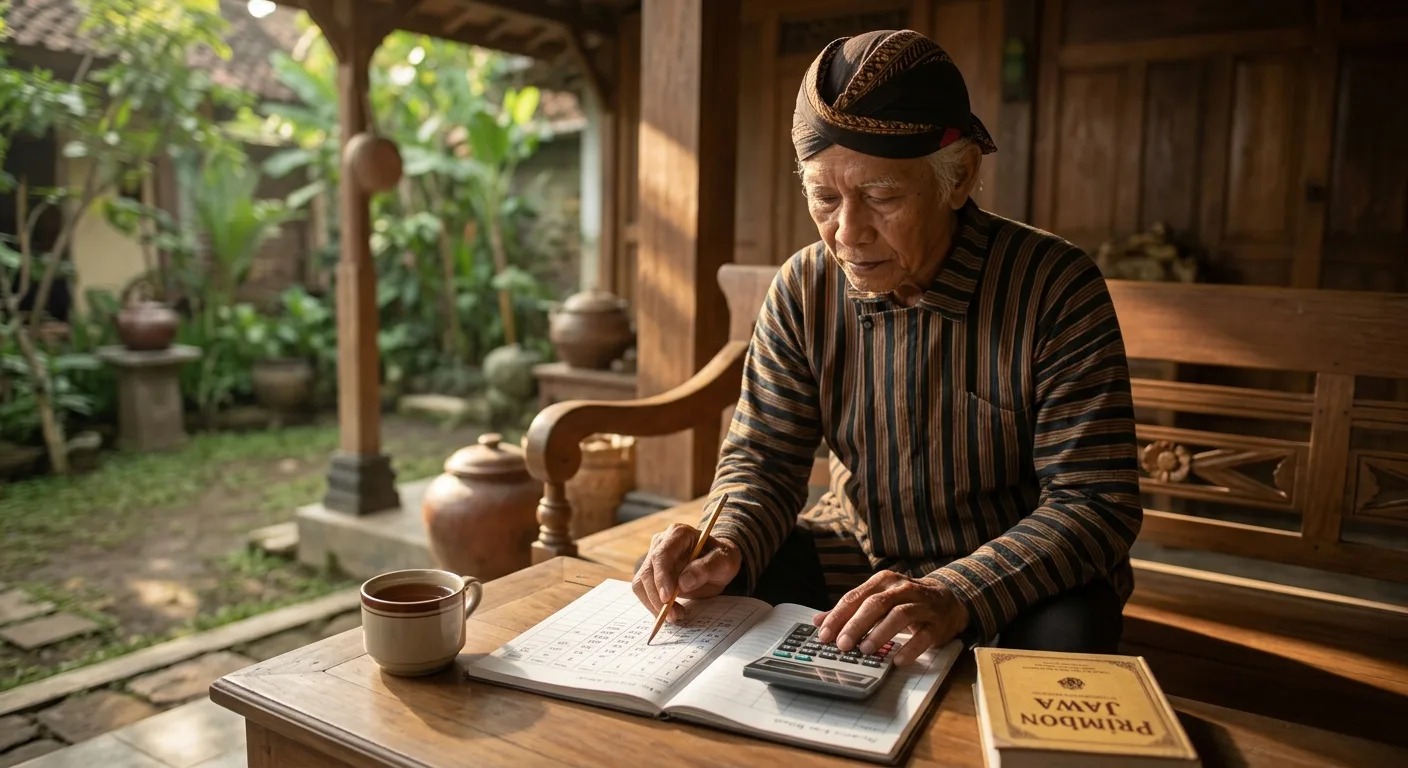
A birth weton can be found by calculating the weekday and pasaran that match a birth date, using the Javanese calendar or an online weton calculator.
Is it okay to practice puasa weton without any special food restrictions?
Yes. Some people observe puasa weton simply, in the same way as an ordinary fast, without any specific food restrictions.
When is the right time to start puasa weton?
Many people begin it ahead of an important moment, such as approaching their weton birthday, before a wedding, or while making a specific request.
Is puasa weton safe for everyone to practice?
For those with certain health conditions, it's advisable to consult a medical professional first before undertaking any form of fasting.
What is puasa ngrowot?
Puasa ngrowot is a variation of puasa weton that only permits fruits and vegetables when breaking the fast, without rice or meat.
Puasa weton is one of the ways Javanese people give deeper meaning to their day of birth — not merely abstaining from food and drink, but also creating space for gratitude, reflection, and self-improvement. Curious about the basics of the weton system behind this tradition? Read also What Is Weton? A Complete Beginner's Guide, or check out Ruwatan Tradition as a Form of Warding Off Misfortune in Javanese Culture, another tradition that shares a similar spirit of safeguarding one's life.